




After the Christmas holidays, many children return to their school routine full of renewed energy, but also with a certain disconnect from English. During these weeks off, exposure to the language often decreases, so getting back into the rhythm can be a challenge. That’s why establishing simple, realistic and fun English routines for children is one of the most effective ways to reactivate learning without creating pressure.
Teachers, monitors and families who work with bilingual children all agree on one thing: when English becomes part of everyday life through small actions, progress is more consistent and long-lasting. This article offers practical ideas for creating a daily routine to learn English, tips on how to make your daily English routine feel natural, and suggestions adapted to different ages.
Why routines in English for children make a difference
Before designing a routine, it’s important to understand why they work so well. Creating a learning routine builds an environment of constant, predictable and motivating exposure. It’s not about adding more study hours, but about integrating the language into everyday activities: games, songs, reading or even daily tasks.
Natural learning without effort
When English is incorporated into moments of the day that are already part of a child’s life, learning flows more naturally. This turns each activity into a routine for learning English without it feeling like an academic obligation.
Greater retention and memory
Actions repeated consistently strengthen linguistic memory. Experts point out that when these routines are resumed after Christmas, children quickly reactivate vocabulary, structures and sounds that may have been put on hold.
Boosting motivation
Creating a positive environment is essential. English routines for children help associate the language with fun, autonomy and everyday achievements, increasing their willingness to keep practising.
How to design routines in English for children after Christmas
Before choosing activities, it’s important to consider how to create an English routine that fits each family’s reality: schedules, interests, ages and levels. There’s no single formula, but there are principles that make the process easier.
Start little by little
After several days without contact with the language, it’s best to reintroduce English in small doses. Five or ten minutes a day are more effective than an occasional long session. This approach makes it easier to create an English routine without overwhelming the child.
Choose activities that connect with their interests
The key is selecting motivating activities. Music, stories, interactive games or even hands-on activities can easily become part of a daily routine for learning English.
Maintain consistency and flexibility
Routines work because they provide structure, but they also need to adapt to changes in energy levels, schedules or interests. A balance between consistency and flexibility helps children see the routine as something positive.
English learning routines that work all year round
The following ideas help integrate the language naturally, especially after Christmas, when it’s necessary to get back into the habit.
Learning English through play
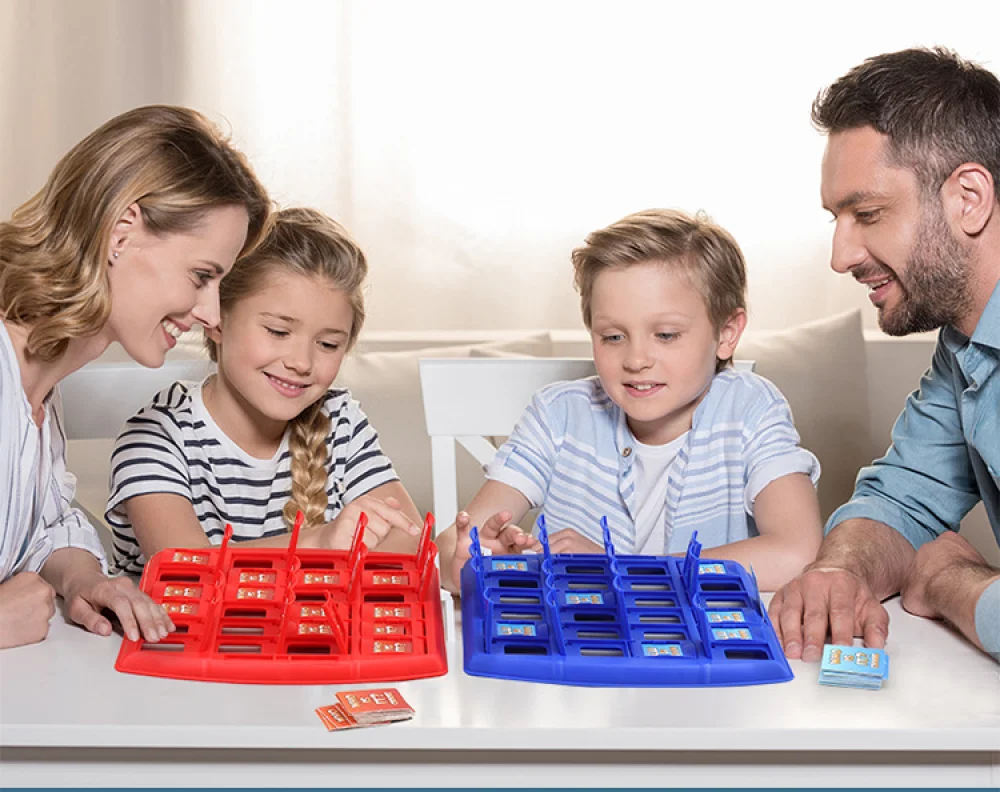
Play is the perfect vehicle for reactivating vocabulary and basic structures. Board games, memory cards, mime challenges or category games can easily become part of English routines for children. The key is that the child needs English in order to take part.
Daily English routines through songs
Songs have enormous memory power. Listening to English playlists during breakfast, on the way to school or during downtime helps recover the language’s rhythm and intonation. Many educators recommend this strategy as one of the most effective ways to build a daily English routine.
Learning English through short reading
Reading every day, even if it’s just two pages, is a very effective way to reactivate English after the holidays. Picture books, short stories or graded readers allow children to ease back into the language. This habit is ideal for those looking for a consistent and accessible English routine.
English routines for children through small household tasks
Using English in everyday situations (setting the table, organising school bags, preparing snacks) turns routine actions into real language opportunities. This natural integration reinforces the benefits of a learning routine without the need for additional activities.
Practical ideas to maintain English routines for children by age
Every child has different needs, so adapting activities to their developmental stage is key.
Ages 3 to 6: short, multisensory routines
At this age, attention spans are limited. The ideal approach is to introduce English in short blocks: songs, colour games, “Good morning!” routines, short stories or movement activities. Here, routines should prioritise fun and repetition.
Ages 7 to 10: more structured activities
Children can follow instructions, remember vocabulary and take part in more complex games. In this age range, a daily English routine can include short worksheets, weekly challenges, short readings and cooperative games.
Ages 11 and up: growing independence
Preteens and teenagers can manage part of their own routine: choosing short videos, planning vocabulary challenges or reading extracts from young adult novels. Teaching them how to create their own daily English routine helps build independence and confidence.
How to maintain motivation to stick with the routine
Motivation is the driving force behind any learning process, especially after a break like Christmas.
Celebrate small achievements
Every remembered word or spoken sentence is real progress, especially after a period of disconnection like Christmas. Acknowledging these small milestones helps children become aware of their own progress and stay motivated.
Vary the activities
A routine doesn’t have to be exactly the same every day. In fact, introducing variety is essential to keep interest alive. Keeping the structure—such as a daily moment dedicated to English—while changing activities, materials or themes helps avoid monotony.
Integrate technology in a balanced way
Technology can be a great ally when used wisely. Educational apps, videos, audiobooks or interactive platforms allow children to practise the language in an engaging way that matches their interests.

Getting back into English through inspiring experiences
Getting back into the habit after Christmas is much easier when English becomes part of everyday life again. English routines for children provide that starting point, but the real boost comes when the language is used in authentic and stimulating situations. At English Summer, children are immersed in English through dynamic activities: sports, team challenges, creative workshops, theatre and outdoor games that encourage spontaneous communication.
Our English summer camps and themed camps offer an environment where the language is practised effortlessly, integrated into every activity and strengthening both fluency and personal confidence. Throughout the rest of the year, families can then complement this experience with small routines at home: reading together, listening to music, setting daily mini challenges or adding vocabulary to everyday tasks.
When children reconnect with English through different experiences—both at home and in specialised educational programmes—getting back into learning after Christmas stops being a challenge and becomes a natural, motivating transition. In the meantime, they can keep learning Christmas-related vocabulary or work on improving their English fluency, so learning continues to be fun even during the holidays.