



A training day full of learning, challenges and teamwork
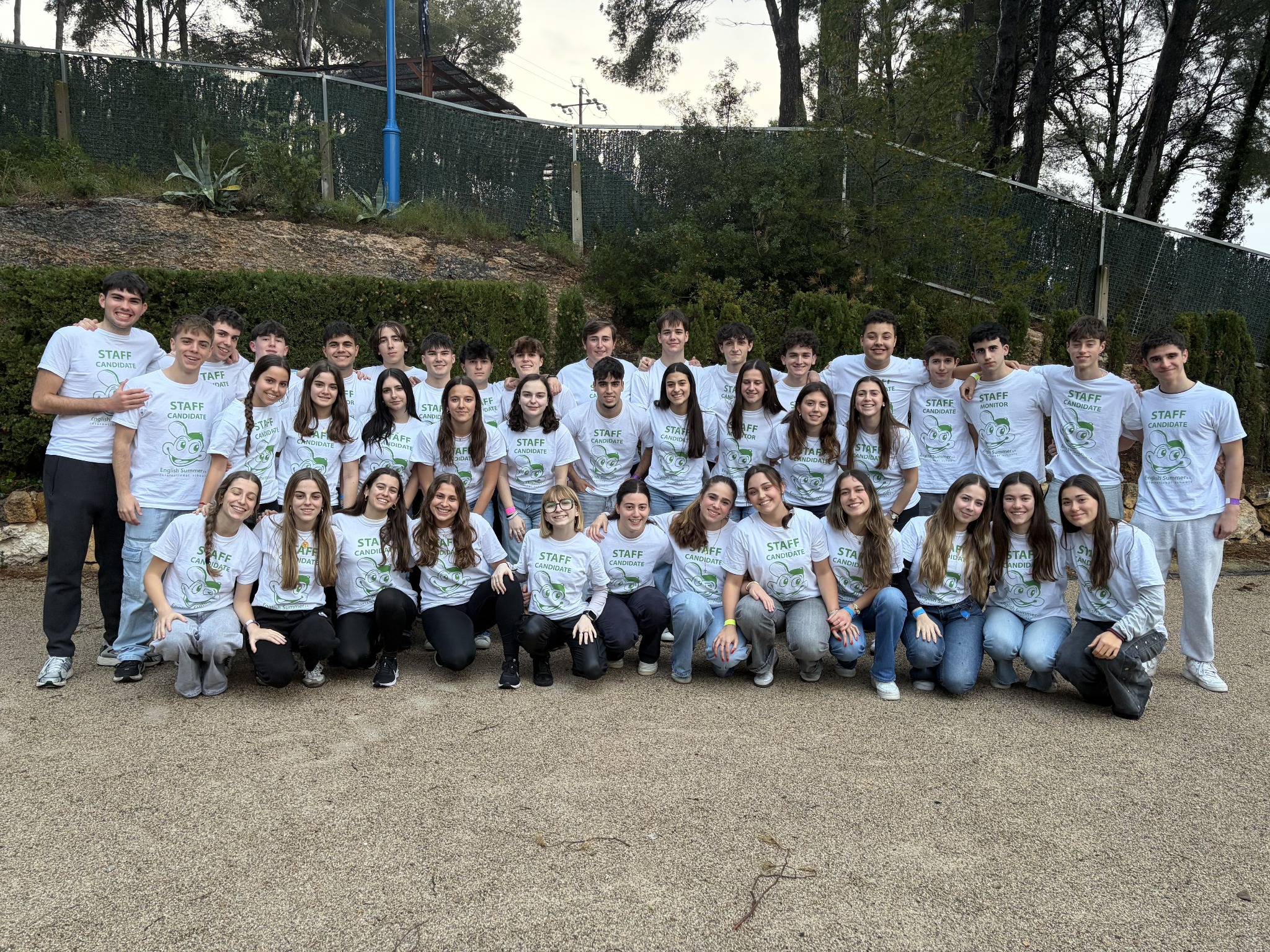
A training program full of learning, challenges, and teamwork
Every summer, hundreds of children enjoy a unique experience at English Summer camps. Behind this experience is a team of counselors who not only have a command of the language, but are also prepared to accompany, educate, and manage real-life situations at camp.
That's why, before summer begins, training and selection days are organized for MPs (Monitors in Progress): young people who are training to become counselors in the future. These days are not only an opportunity to get to know the candidates, but also to work on key skills that they will later apply with the students during the camps.
This past weekend, the MP Training Day brought together dozens of participants for two intense days filled with activities, interviews, teamwork, and personal reflection. The meeting was designed to prepare future monitors for one of the most important summers of their lives.
What is an MP at English Summer?
The MP (Monitor in Progress) program is a training stage in the process of becoming a monitor at summer camps. During this process, participants begin to learn how camp work functions: from organizing activities to managing groups of children.
Being an MP means learning by doing. Throughout their training, they participate in dynamics, simulations, and activities that reproduce real situations that may arise in the summer: resolving conflicts between students, managing emotions, working as a team, or improvising activities when something does not go as planned.
The training sessions are, therefore, a fundamental first step in beginning to experience the program from the inside.
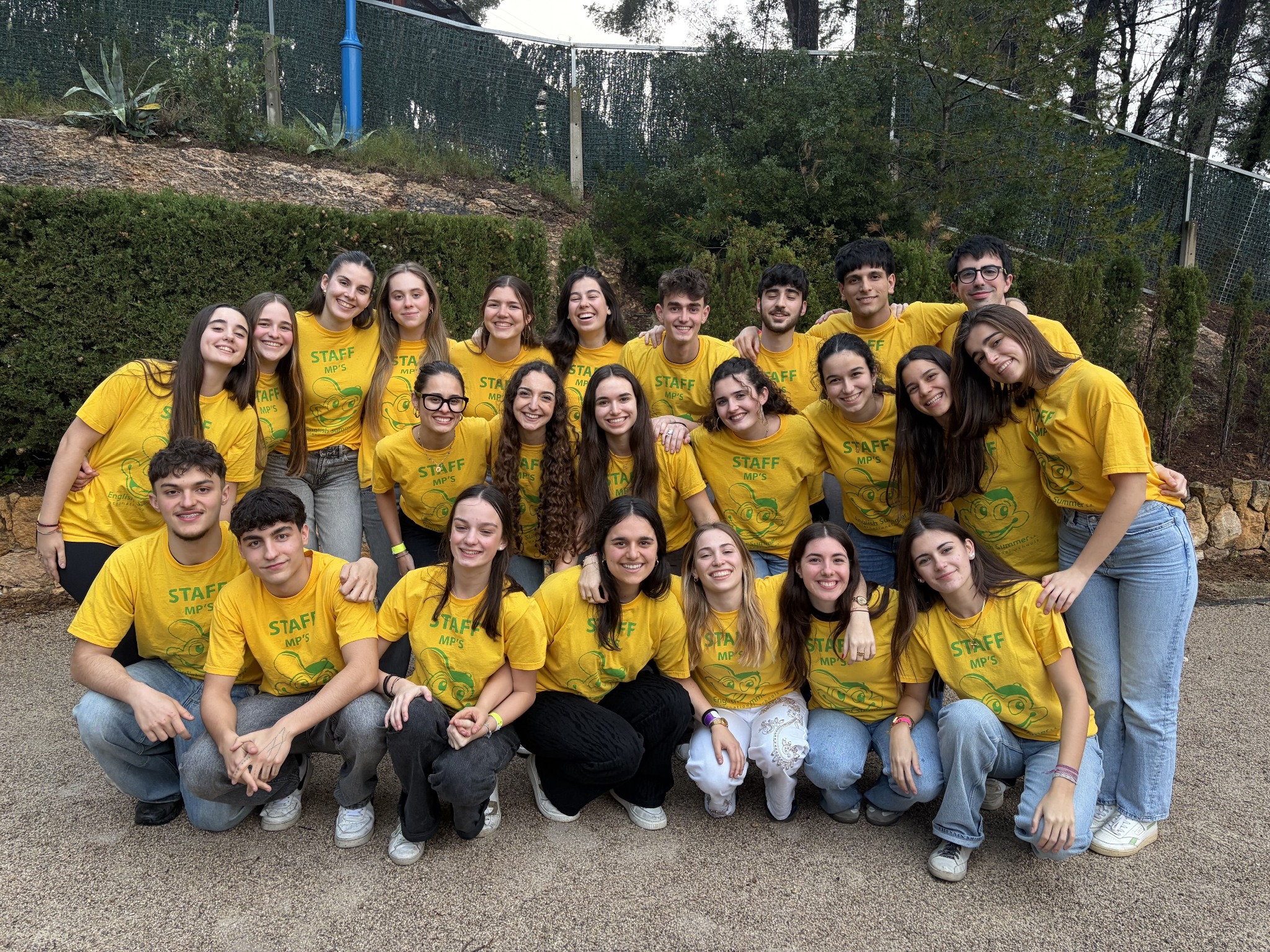
A weekend to get to know each other and start working as a team
The day began with the arrival of the participants, the accreditation process, and room assignments. Shortly thereafter, the group gathered to learn about the weekend's schedule and begin to create the atmosphere that characterizes the camps: closeness, participation, and a great desire to share.
The first night was mainly devoted to breaking the ice and starting to build the team.
To this end, various fast-paced activities were organized in rotation, allowing participants to get to know each other while the trainers observed key attitudes such as initiative, communication, and the ability to integrate into the group.
The games included coordination and reaction activities, group games to encourage collaboration, and small challenges where participants had to solve situations together. The goal was clear: to start building trust and create a positive group atmosphere, which is essential at any camp.
The day ended with a more relaxed moment to close the day by remembering the spirit of summer.
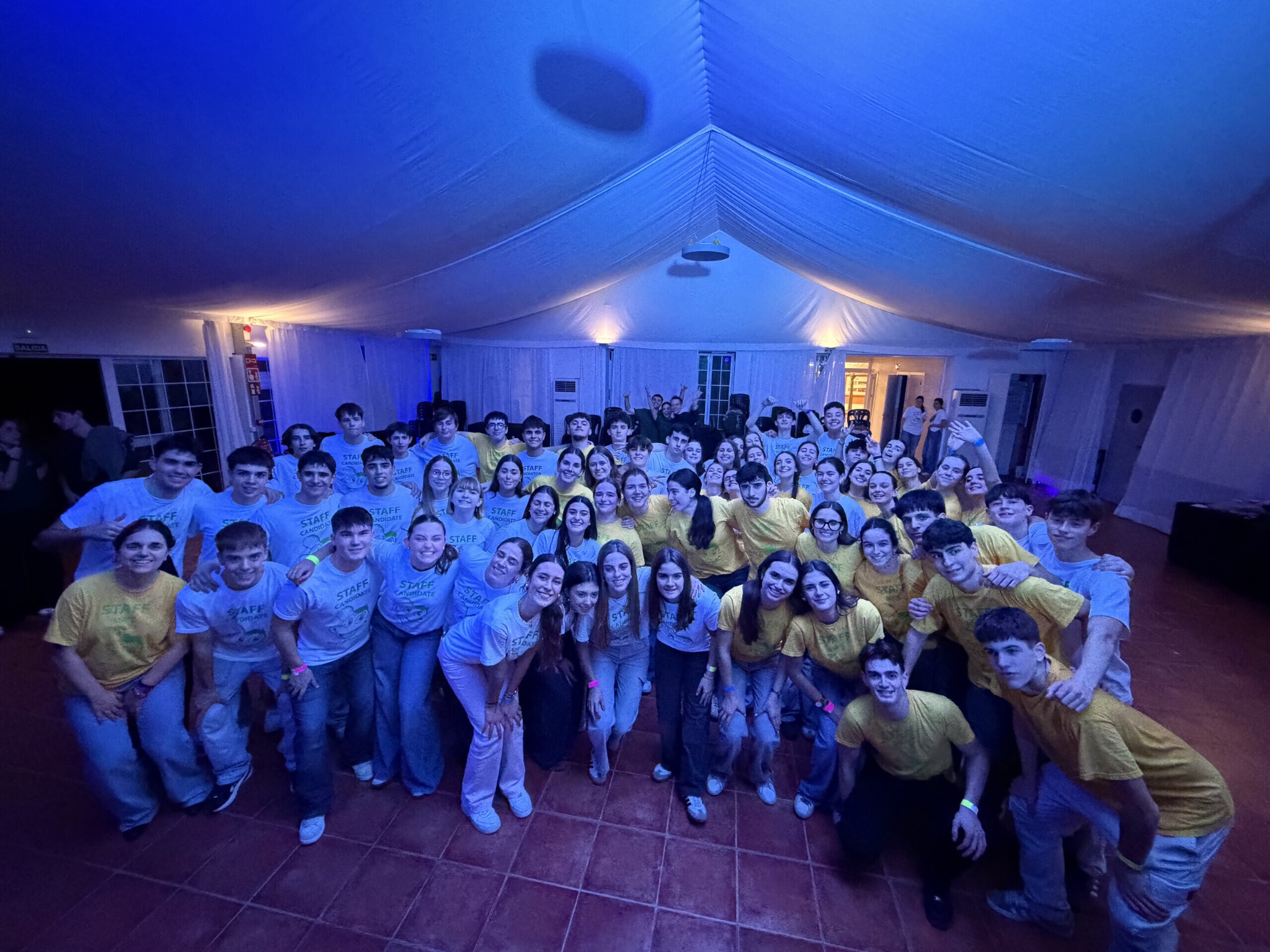
Real training for real situations
Saturday was the main day of training. During the morning, the MPs participated in different rotations of activities designed to analyze their skills and work on fundamental aspects of working with children and adolescents.
These activities focused on several key pillars that are part of the educational approach of the camps:
- Emotional education
- Creativity
- Conflict resolution
- Teamwork
- Communication
One of the most interesting activities was working on real camp situations. Participants were given possible scenarios—such as conflicts between students, problems during an activity, or the specific needs of a child—and had to explain how they would act as counselors.
This type of exercise allows participants to work on something fundamental: the ability to react with judgment and empathy.
Conversation exercises in English were also carried out to encourage communication among participants, as well as deduction games and activities to get to know their groupmates better.
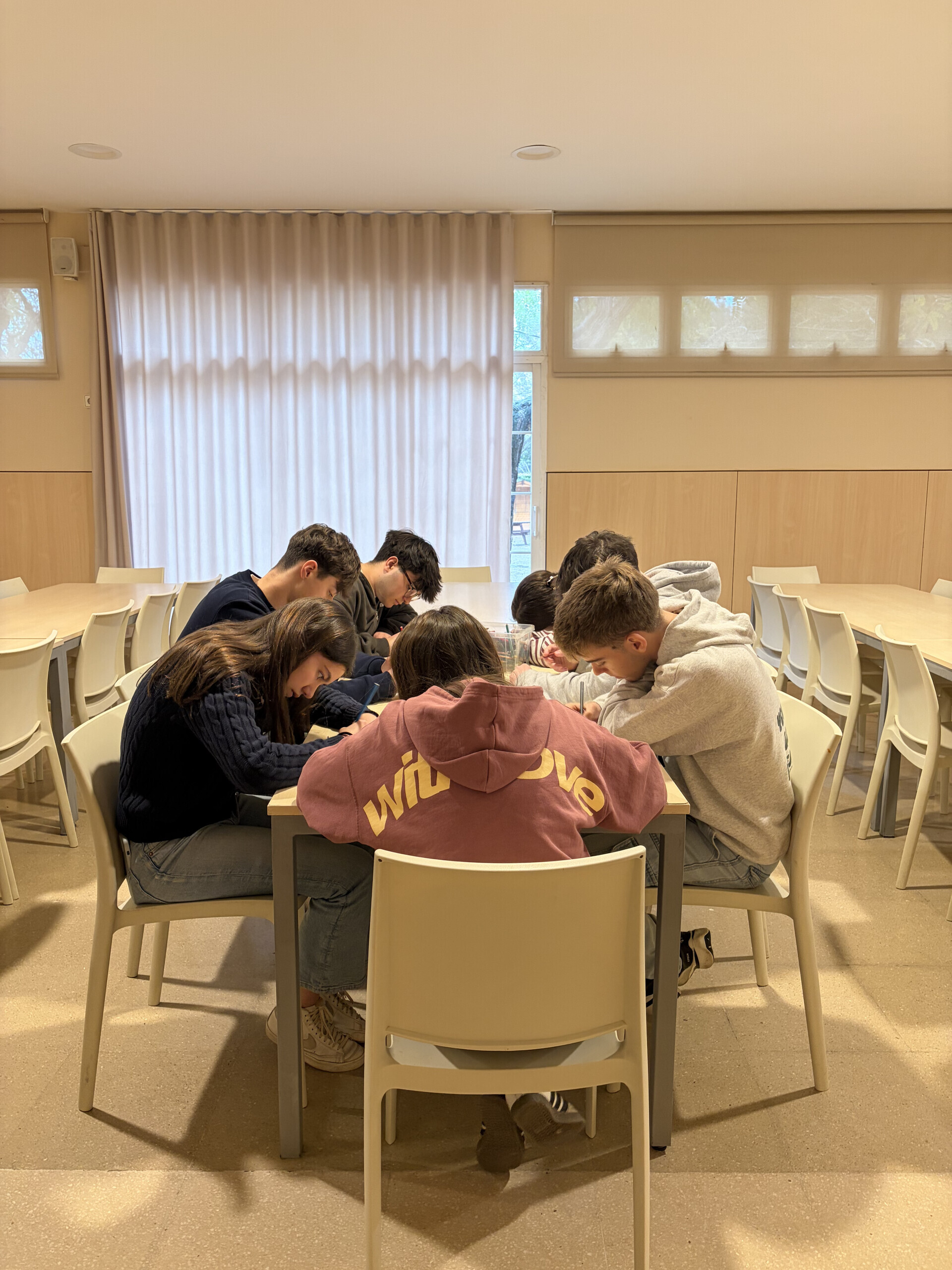
Learning to observe, listen, and collaborate
In addition to the more active dynamics, the sessions also included moments of reflection. Some activities were designed to work on self-awareness and the perception we have of ourselves within a group.
In one of them, participants reflected on how they had seen themselves during the sessions and received positive feedback from their peers. These types of exercises help develop fundamental social skills for those who work with children: empathy, listening, and the ability to value others.
Other activities focused on observation and stereotypes, inviting participants to analyze how we interpret roles within a group.
In short, beyond the games, each activity had a clear educational objective.
The profile of the monitor sought by camps
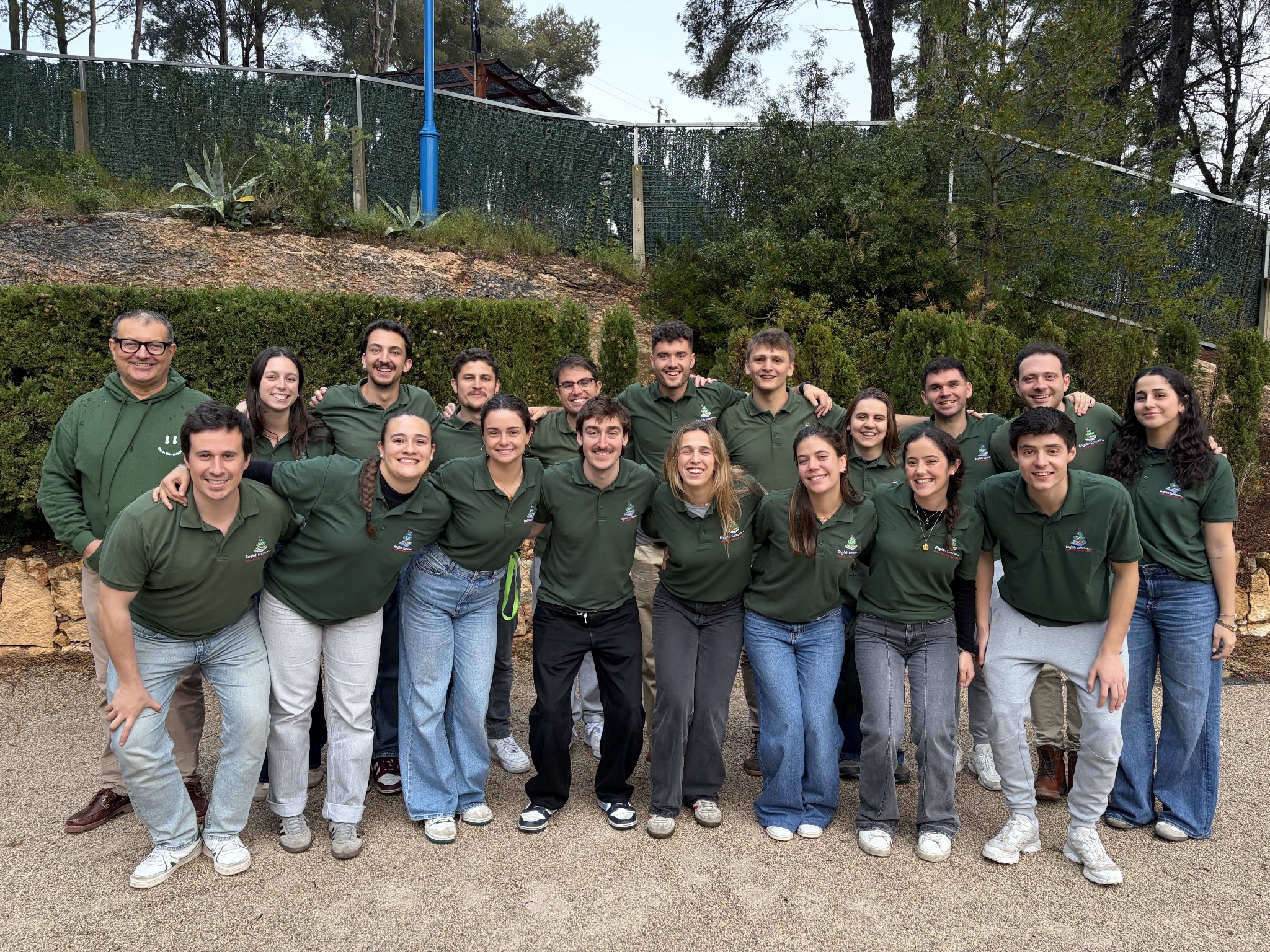
Throughout the process, the training team was able to observe the qualities that define a good instructor:
- Initiative
- Responsibility
- Leadership skills
- Creativity
- Empathy
- Positive attitude
Rather than finding perfect answers, the important thing is to see how participants react, how they collaborate, and how they relate to others.
Because at a summer camp, the counselor is much more than someone who organizes games: they are a role model for students throughout their experience.
The first step towards an unforgettable summer
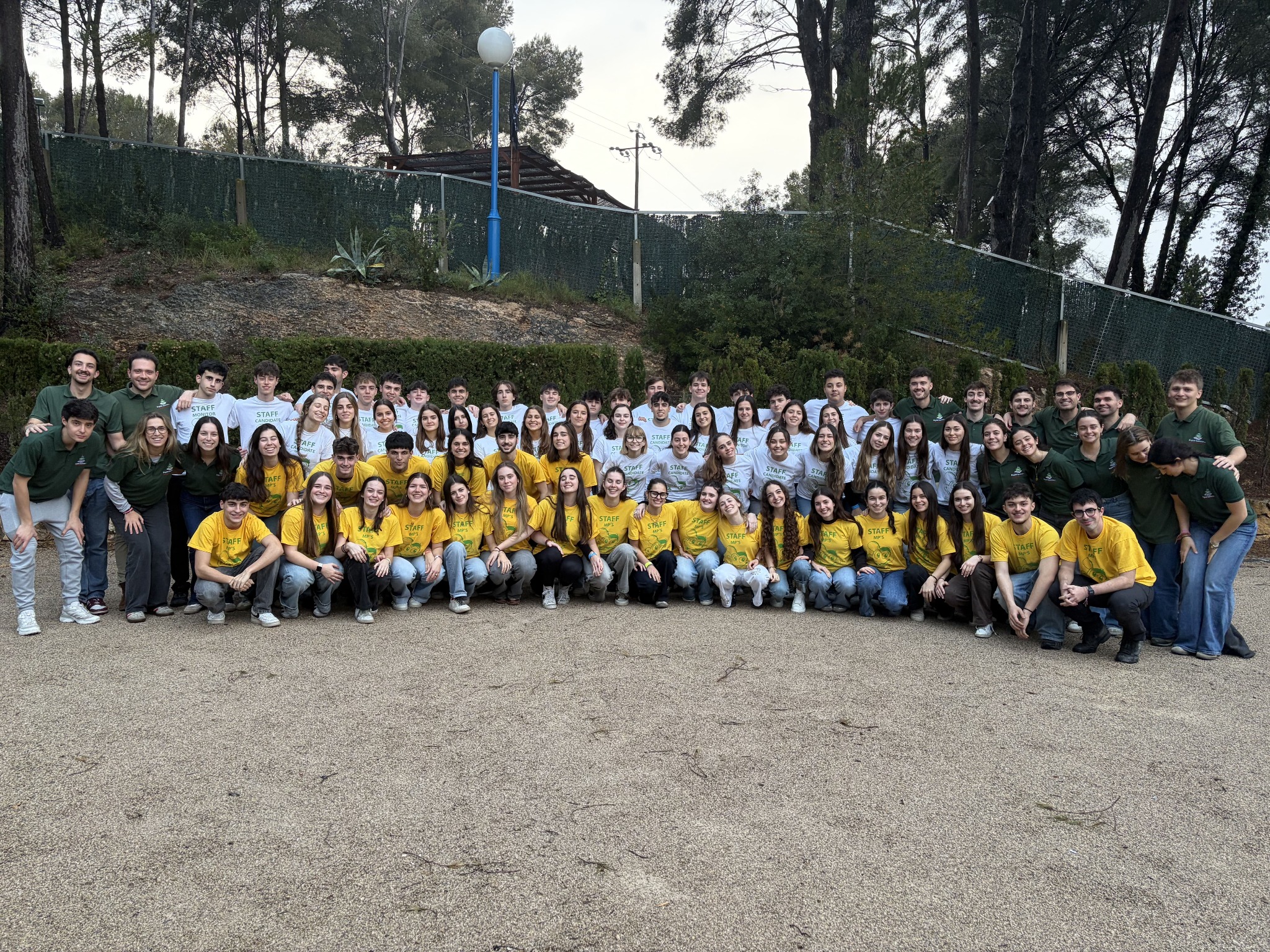
The conference ended with a final evaluation and a group photo that put the finishing touch on two intense days of training, fellowship, and learning.
For many of the participants, this weekend marks the beginning of a journey within the camp counseling team. For others, it is also an opportunity to continue growing, learn new skills, and be part of a community that shares the same passion: creating unforgettable experiences for English Summer students.
Because every summer begins long before the children arrive at camp... and it begins with the training of those who will make that experience possible.