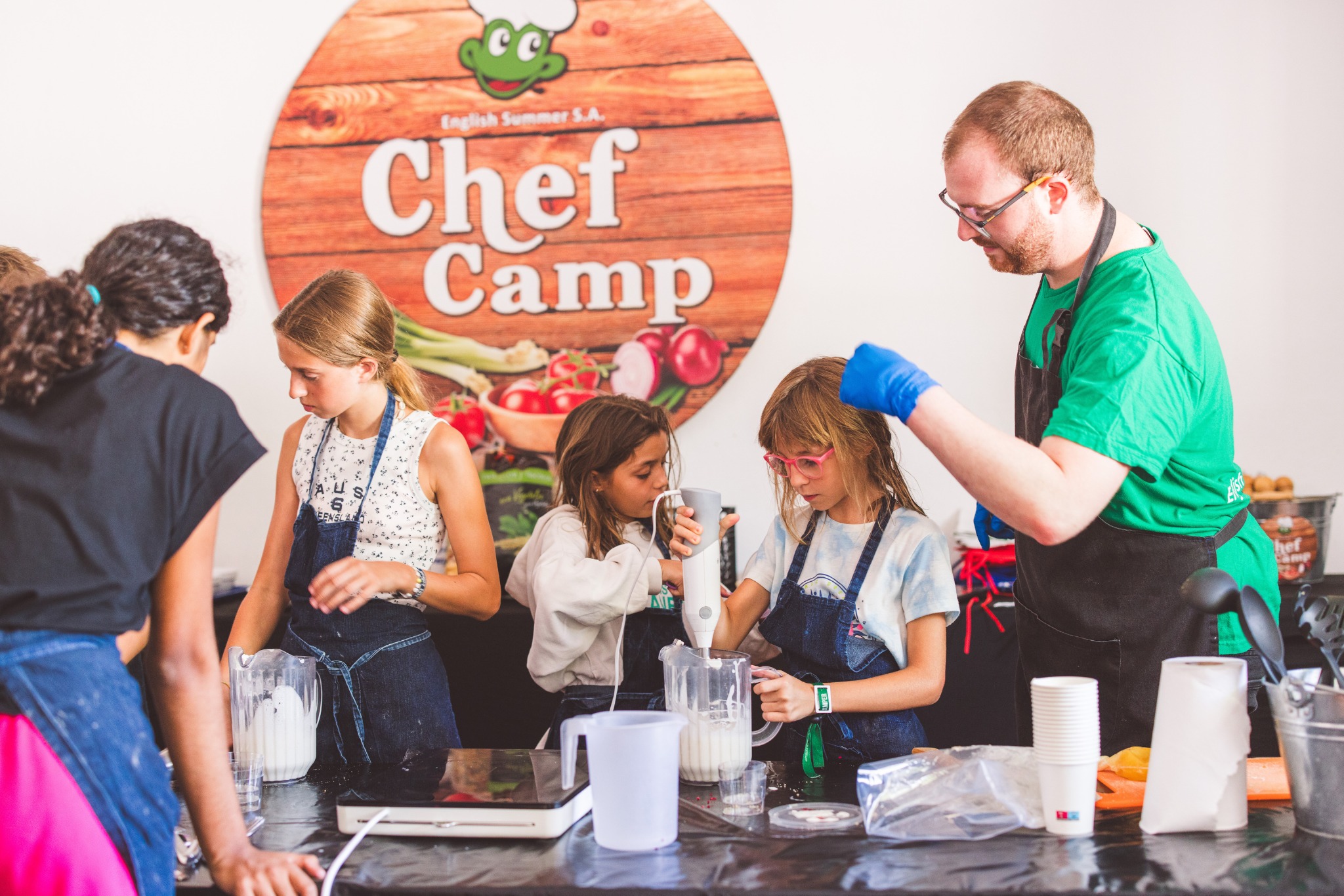



Cooking is a bit like science, a bit like art... and quite a bit like magic. When children put on an apron and start mixing ingredients, they're not just preparing a recipe: they're experimenting, creating, and learning skills that will stay with them for life.
Cooking with children is a fun, educational, and surprisingly powerful activity. Between flour on the counter and wooden spoons, little ones develop creativity, responsibility, and even self-confidence. And best of all, they hardly realize they're learning.
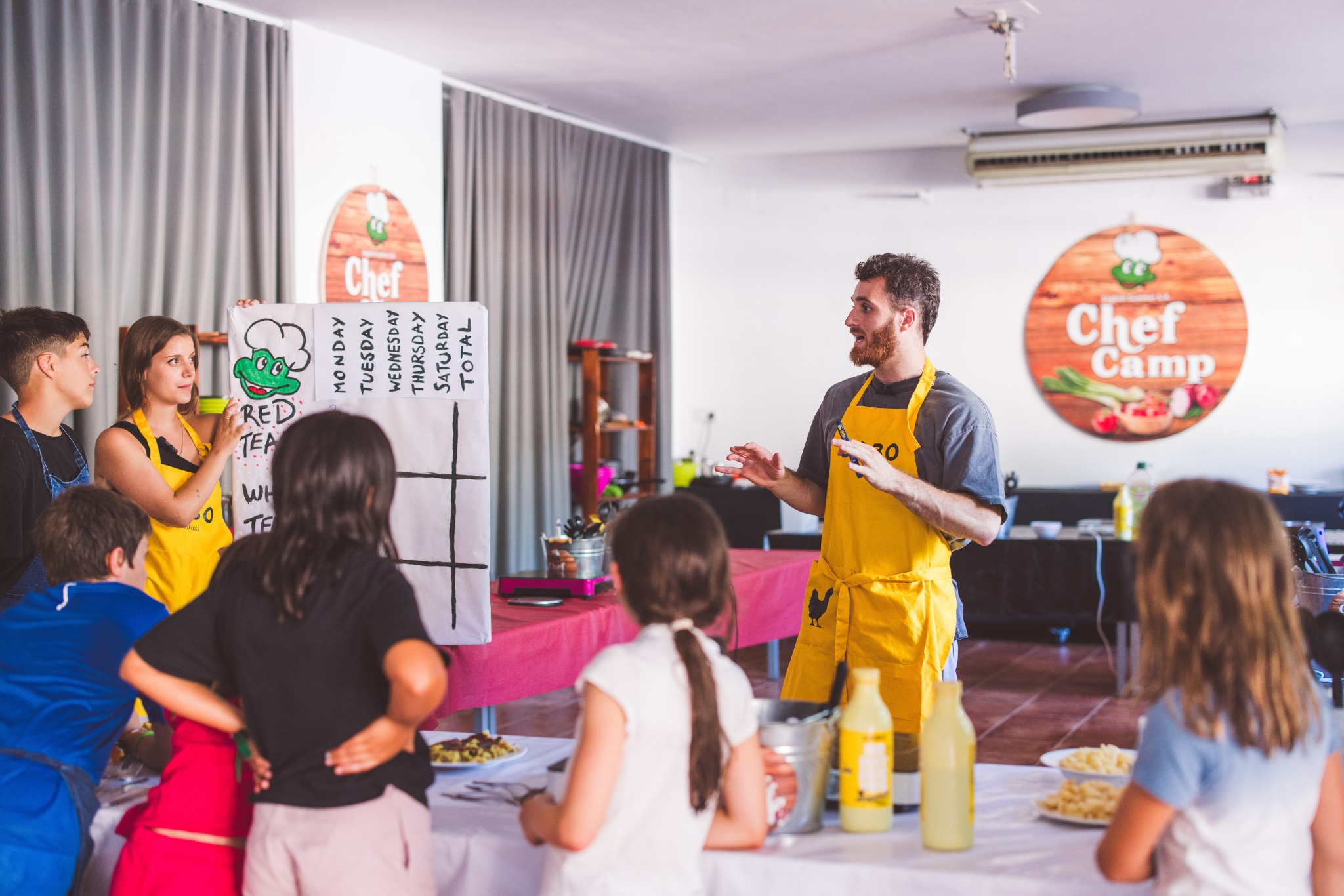
The kitchen: the perfect place to learn through play
For a child, the kitchen is a world full of discoveries. What happens if we mix flour, eggs, and sugar? Why does dough rise in the oven? How does the flavor change when we add spices?
Every recipe is a little experiment.
When children cook:
- They explore their creativity by decorating dishes or inventing combinations of ingredients.
- They develop mathematical skills by measuring quantities and following steps.
- They learn science without realizing it, observing how food changes when heated or mixed.
Cooking is actually a combination of science, art, and mathematics... all at the same time.
Responsibility between spoons and recipes
Cooking also teaches something fundamental: responsibility.
When a child participates in preparing a meal, they understand that their role is important. They have to follow steps, wait for cooking times, and collaborate with others.
Small tasks such as:
- wash vegetables
- measure ingredients
- mix a dough
- set the table
It helps them develop independence and feel like an active part of the family or group.
What's more, there's a key moment that changes everything: tasting what they've cooked. That moment when they proudly say, “I made this!”
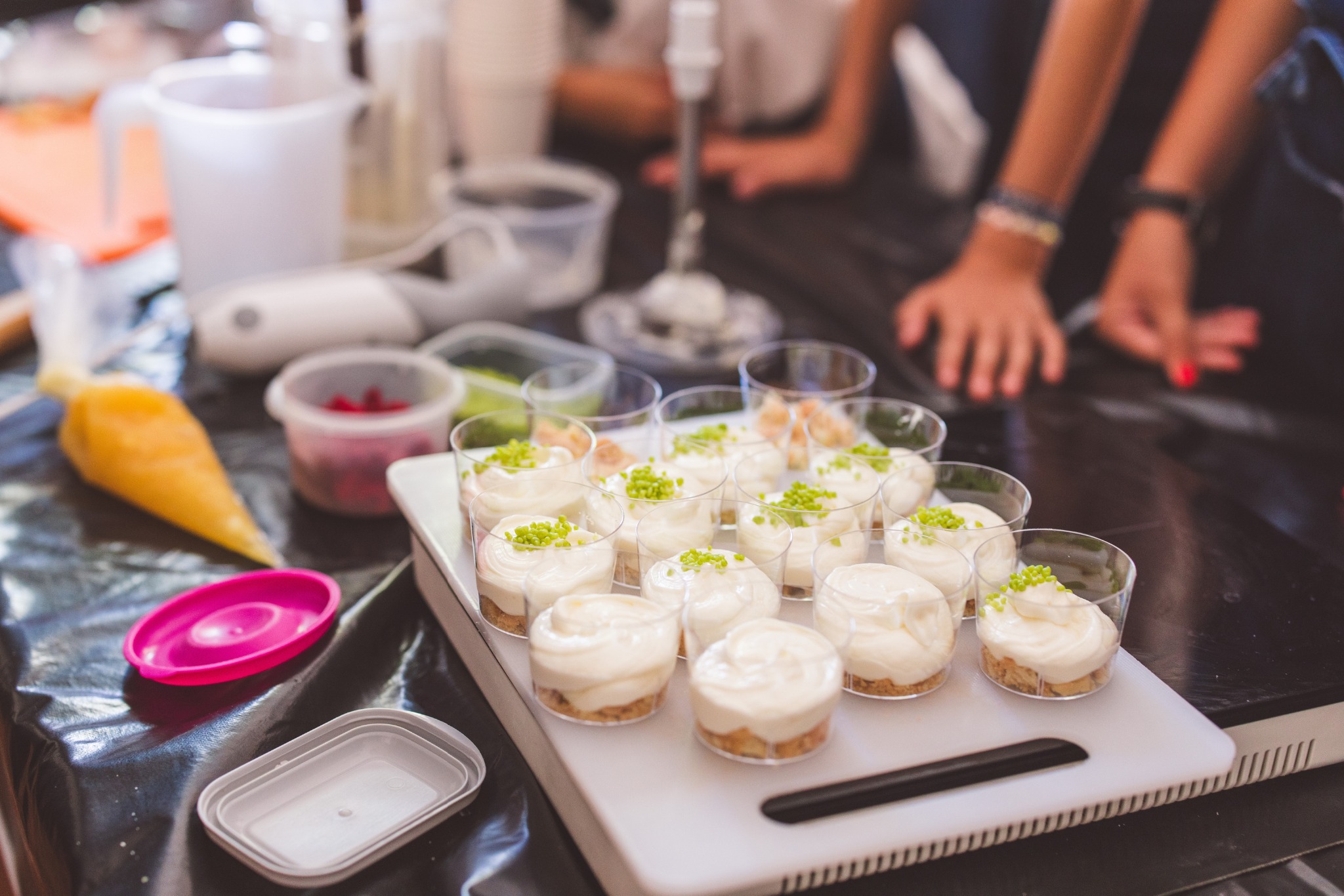
More curiosity about food (and fewer fights over vegetables)
Many parents discover something curious when children start cooking: they become more open to trying new foods.
When they have been involved in preparing a dish, they are curious about the result. Even vegetables they previously rejected can become interesting if they have helped to chop or cook them.
Cooking connects them to food in a different way. It is no longer just something that appears on their plate: it becomes part of an experience.
Cooking also strengthens social skills
Cooking is rarely a solitary activity. It involves collaborating, sharing tasks, and communicating.
When several children cook together, they learn to:
- work as a team
- get organized
- respect turns
- solve minor problems
In short, these are highly valuable social skills that are also developed outside the classroom.
When cooking becomes an adventure
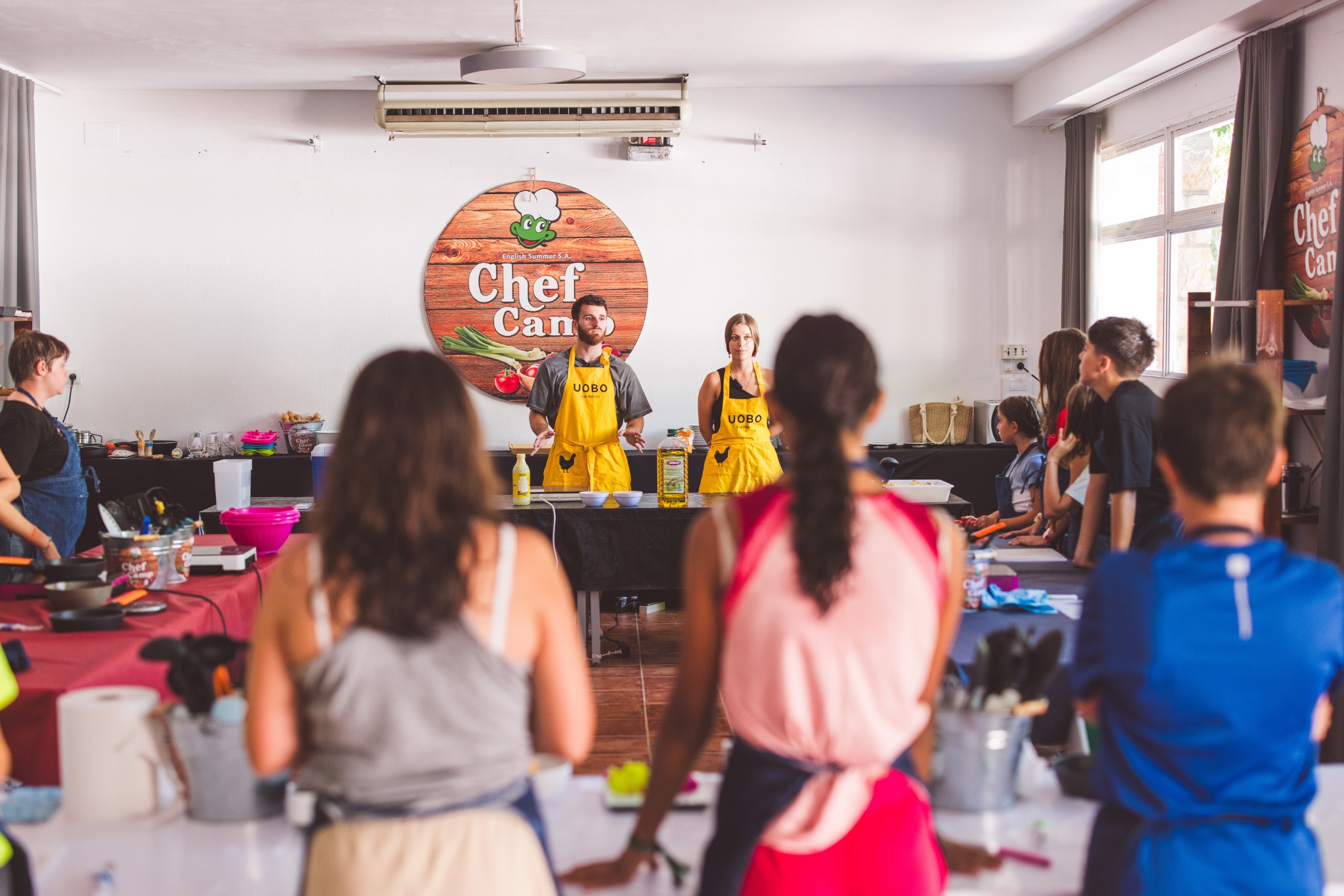
Precisely because of all these benefits, there are more and more educational activities where cooking takes center stage. Themed camps, for example, use gastronomy as a fun way to learn.
At Chef Camp, children are introduced to the world of cooking in a dynamic way: they discover recipes, experiment with ingredients, and work as a team while practicing English in a natural and creative environment.
More than just learning to cook, they get to experience what it's like to be a little chef for a few days. If you want to know all the details of the program and activities, you can find the latest information on our website.
An apron, a little flour... and lots of imagination!
You don't need a professional kitchen or complicated recipes. Sometimes it all starts with something as simple as baking cookies, decorating a pizza, or inventing a smoothie.
Because when children cook, something special happens:
the kitchen fills with laughter, curiosity, and creativity.
And amid ingredients, flavors, and funny little mistakes, they are learning much more than meets the eye.