



The world of children is full of colors: from the crayons in their box to the walls of their room, each shade has a meaning, a story, and above all, an associated emotion. But have you ever wondered why a child might choose red to draw a bright sun or blue for a sad cloud? The relationship between colors and emotions in children is a fascinating reflection of how they perceive and express their feelings.
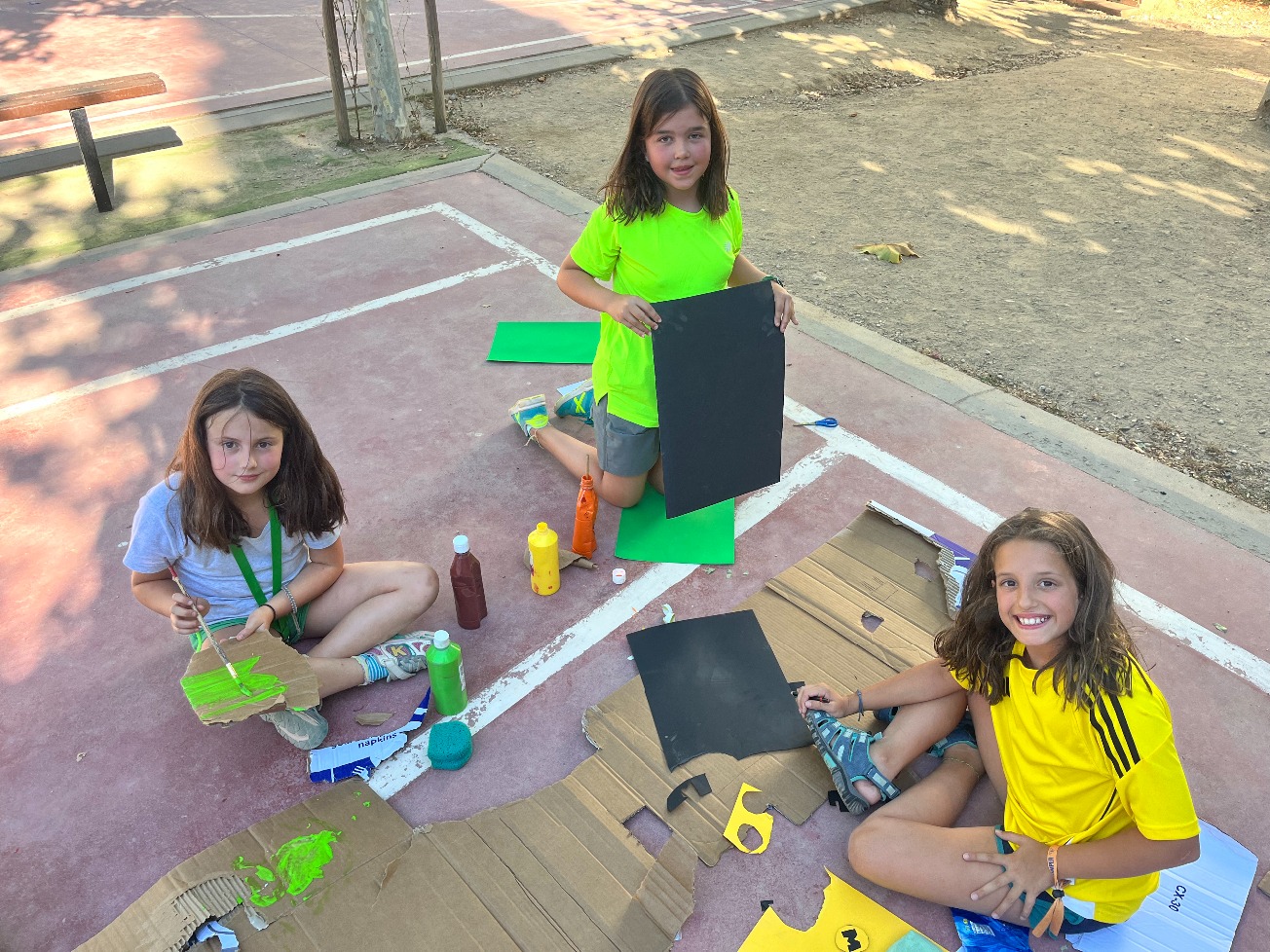
Colors and Emotions: A Natural Connection
From an early age, children start perceiving colors not just as visual elements but as signals of how they feel. Studies in child psychology show that colors influence mood and can serve as a silent language to communicate emotions they may not yet have words for.
Red: energy, passion, joy, or even frustration. Many children choose red when they feel lively, excited, or impatient.
Blue: tranquility, calm, but also sadness. Blue is the color many children use when seeking peace or reflecting moments of introspection.
Yellow: happiness, optimism, and creativity. Yellow evokes sunlight and the spontaneous laughter of childhood.
Green: balance, security, and connection with nature. This color conveys a sense of protection and well-being.
Black or Gray: mystery, confusion, or fear. Although less common, these colors reflect more complex or difficult-to-express emotions.
This association between color and emotion is not arbitrary: like adults, children experience a form of "emotional synesthesia," where visual stimuli trigger intense internal responses.
Color as a Tool to Understand Children
For parents, educators, and therapists, colors become a non-verbal language that opens the door to emotional understanding. Observing children’s drawings can reveal how they feel, even when they lack the words to explain it. A drawing filled with reds and oranges may indicate excitement or frustration, while soft blues and greens may show calmness or serenity.
In educational settings, such as summer camps, this connection is used to encourage emotional expression. Through creative activities with colors, children not only learn English vocabulary but also identify and communicate their emotions safely. For example, asking them to draw how they feel using their favorite colors helps develop emotional intelligence and self-awareness from an early age.
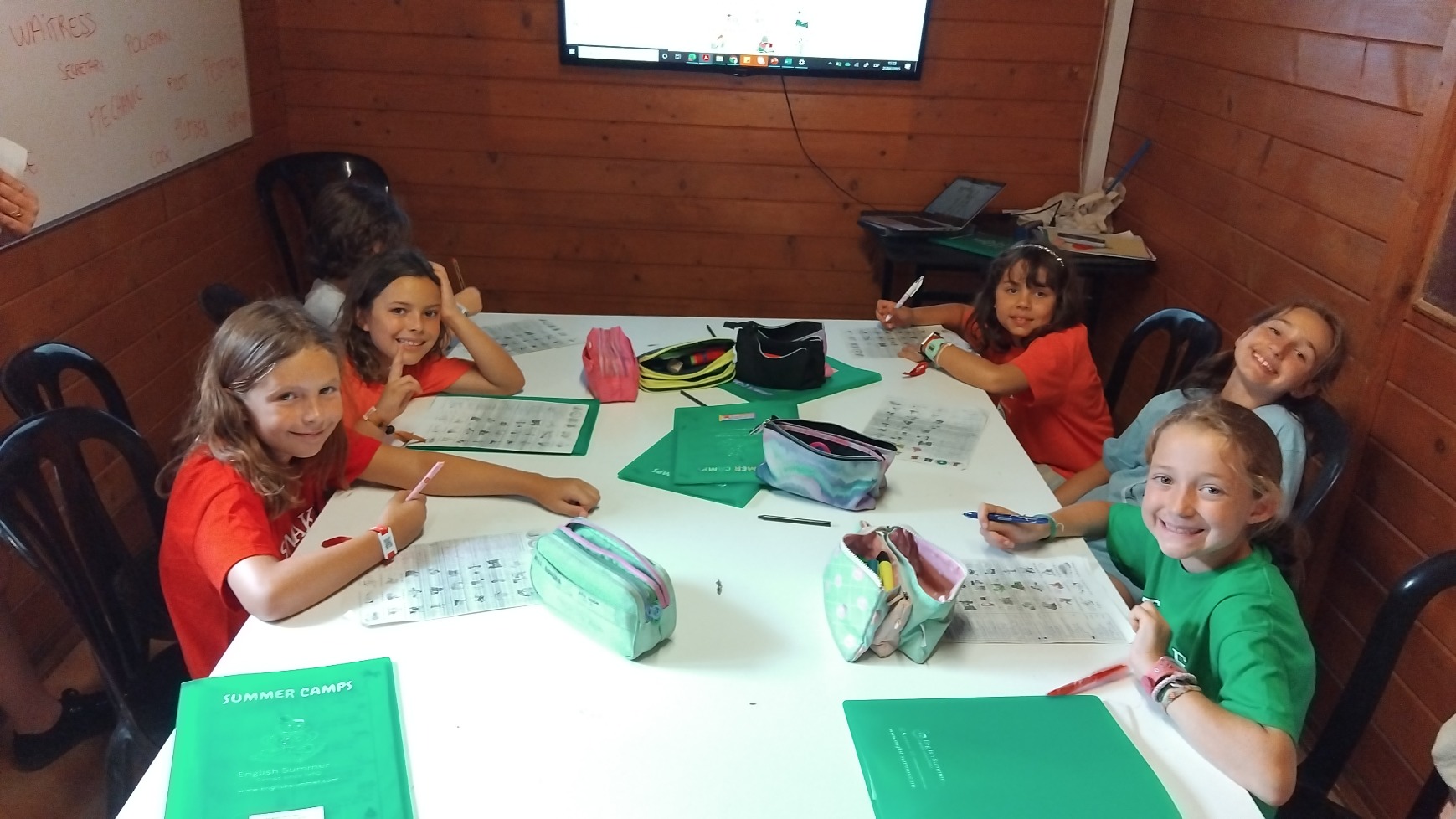
The Emotion Behind Every Stroke
Every color has an emotional impact, and children perceive it genuinely. When a child chooses a bold color to fill in a drawing, they are expressing more than just an aesthetic preference: they are revealing their inner world. These choices reflect their joys, fears, expectations, and frustrations.
Moreover, colors can act as emotional regulators. Painting with warm tones like orange or yellow can lift the mood, while cool tones like blue or green can help calm anxiety or stress. This effect is not only therapeutic but also strengthens the connection between emotions and creativity.
How to Foster the Connection Between Colors and Emotions in Children
Encourage creativity without judgment: Let children freely choose colors, even if they seem “incorrect.” Every choice has personal meaning.
Talk about emotions: Asking why they chose a specific color helps them verbalize what they feel.
Integrate educational activities: Painting workshops, crafts, or color-based games in English, like those done at summer camps, combine learning and emotional development.
Observe patterns: If a child repeatedly uses certain colors to represent emotions, it can provide valuable insight into their inner world.
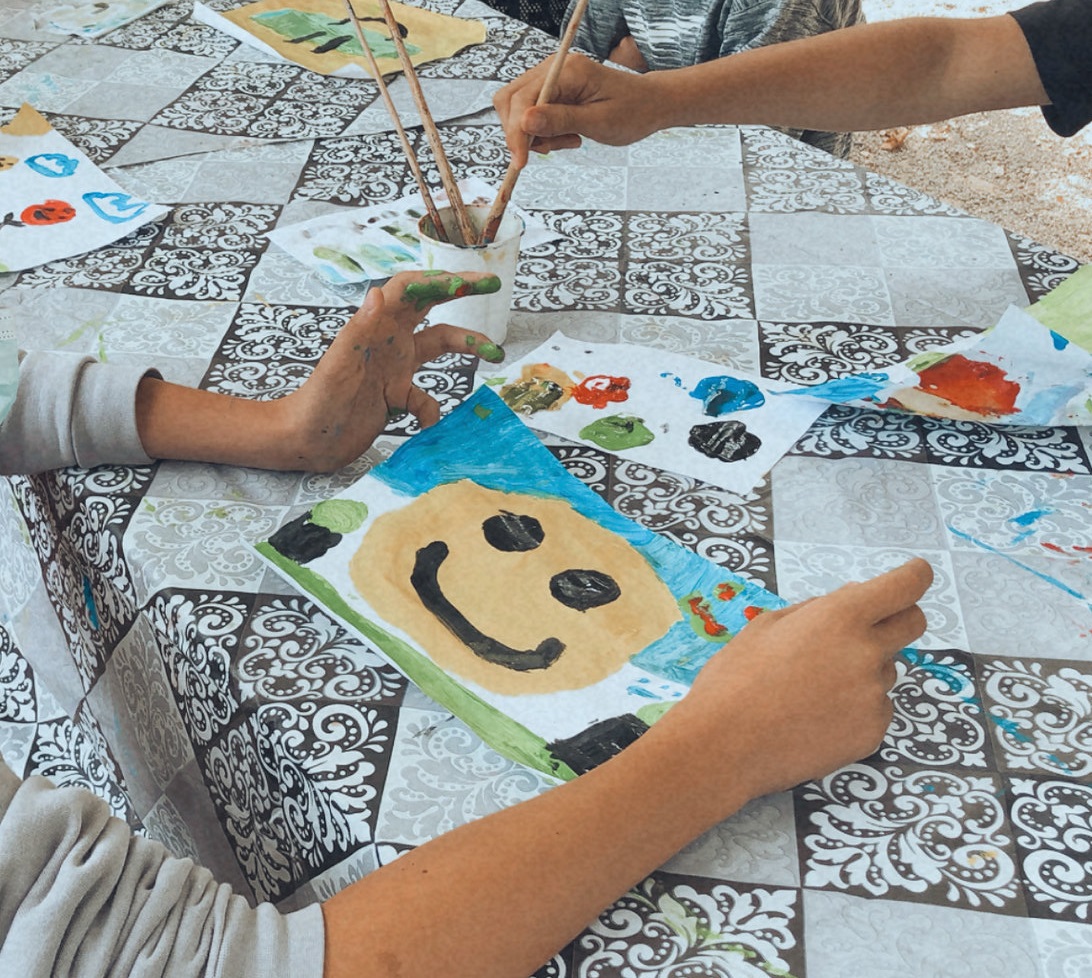
A More Colorful and Emotional World
Colors are much more than an aesthetic element in childhood: they are a window into children’s hearts. By learning to read their emotions through colors, parents and caregivers can support them more consciously in their emotional development. In summer camps, English learning is combined with creativity and emotional intelligence, allowing children not only to learn a new language but also to better understand and express their feelings.
Every stroke, every color choice, and every drawing is a small message full of emotion. Learning to decipher it is a step toward raising happier, more self-aware children who can connect with their feelings from day one.