



In this post, we explain how to start developing, from an early age, the skills that the professionals of the future will need
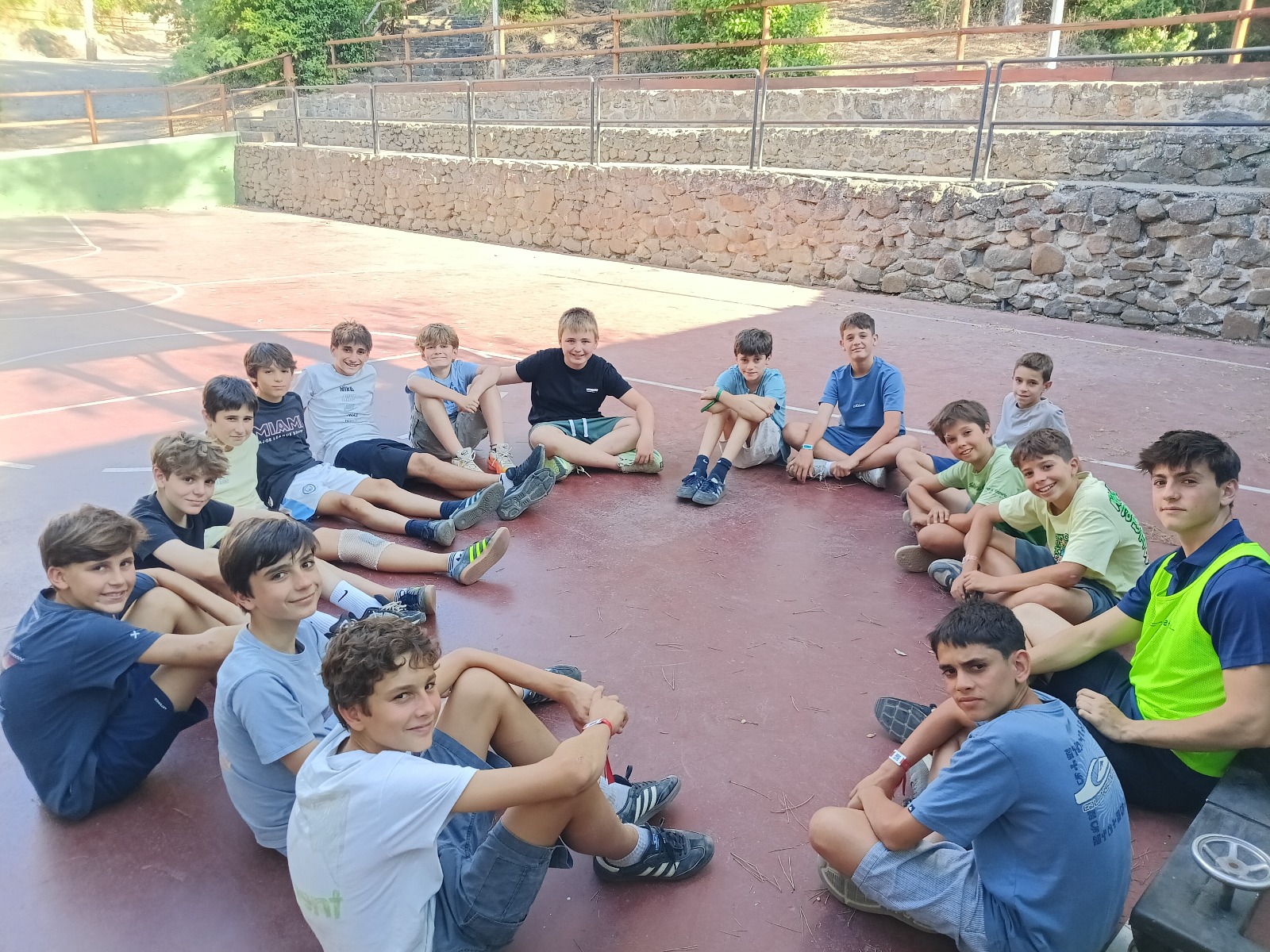
A few years ago, speaking a foreign language or getting good grades was enough to stand out. Today, the world is changing at an incredible pace, and so are the skills that universities and employers value most.
In fact, many of the children who are in primary school today will eventually work in professions that don't even exist yet. In this context, academic knowledge remains important, but personal skills are becoming increasingly valuable: the ability to communicate effectively, work as part of a team, adapt to change, and solve problems creatively.
The good news is that these skills don't begin to develop when someone starts their first job. They are built from childhood through experiences, challenges, and relationships with others.
That's why a summer camp can become so much more than just a holiday.
Which skills will be essential in the future?
International organisations and education experts agree that soft skills will continue to grow in importance. These are the abilities that help people thrive in any environment and support them throughout their lives.
Some of the most important include:
- Effective communication
- Teamwork
- Adaptability
- Leadership
- Problem-solving
- Creativity
- Critical thinking
- Emotional intelligence
- Independence
- Lifelong learning
These skills cannot be learned by simply memorising information. They are developed by putting them into practice repeatedly in real-life situations.
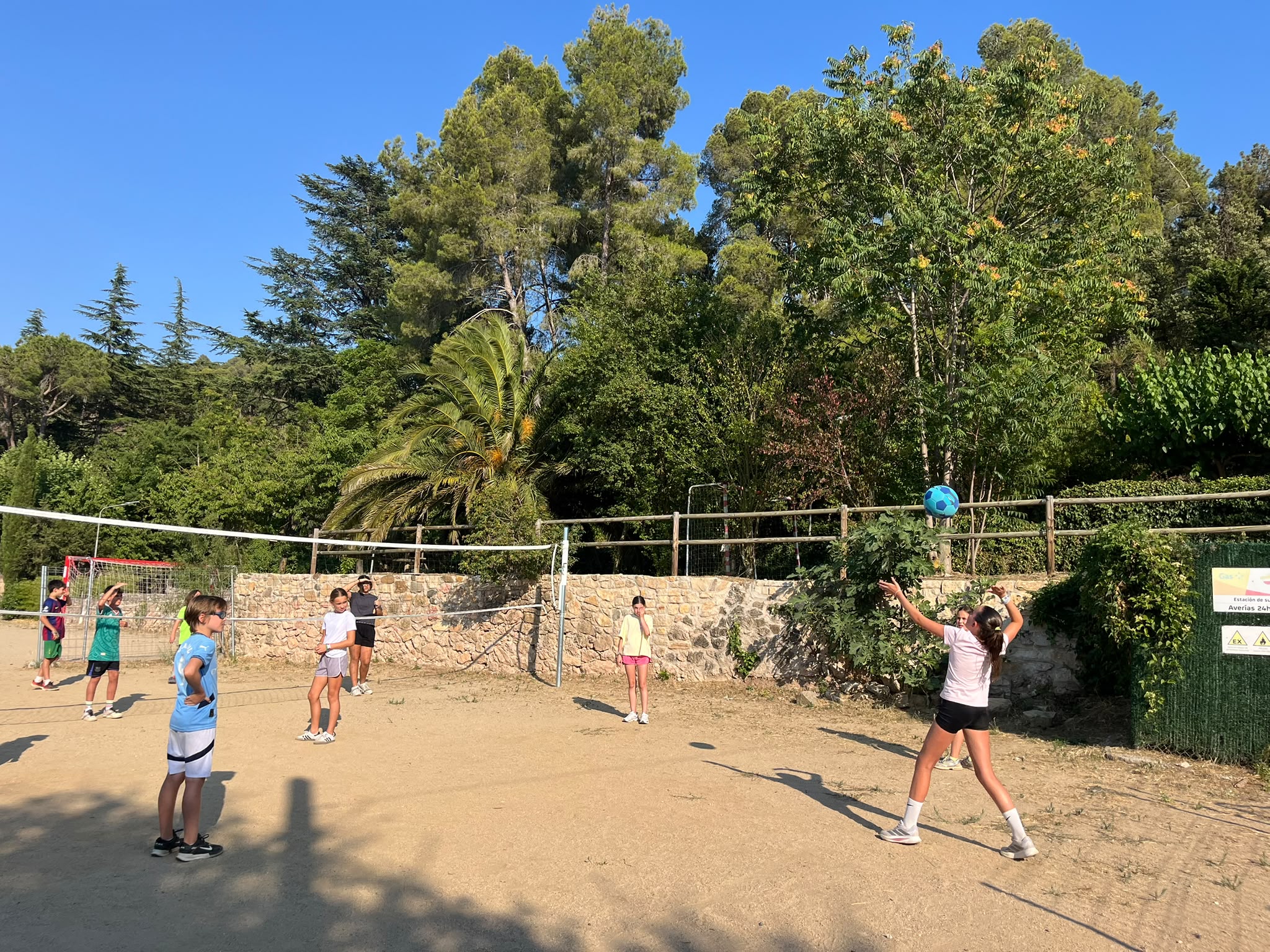
How are these skills developed from an early age?
Children learn best through experience.
Every time they make new friends, resolve a disagreement, work together towards a common goal, or face a new challenge outside their daily routine, they are developing skills that will benefit them throughout their lives.
That's why childhood experiences have a far greater impact than we often realise. It's not only about what children learn, but also how they learn it and the experiences that help them build confidence in themselves.
A summer camp: learning by doing
At English Summer, we believe that a summer camp is much more than a place to spend the holidays. It's an environment where children live together, discover new abilities, and learn naturally while having fun.
Every activity, every game, and every experience is part of a carefully designed programme that helps participants develop skills that will benefit them both at school and in their future personal and professional lives.
Communication
During camp, English stops being just another school subject and becomes a genuine communication tool.
Participants use the language to speak with their counsellors, collaborate with teammates, take part in activities, and connect with children from different places. Using English in real-life situations helps them gain confidence and overcome the fear of speaking.
Teamwork
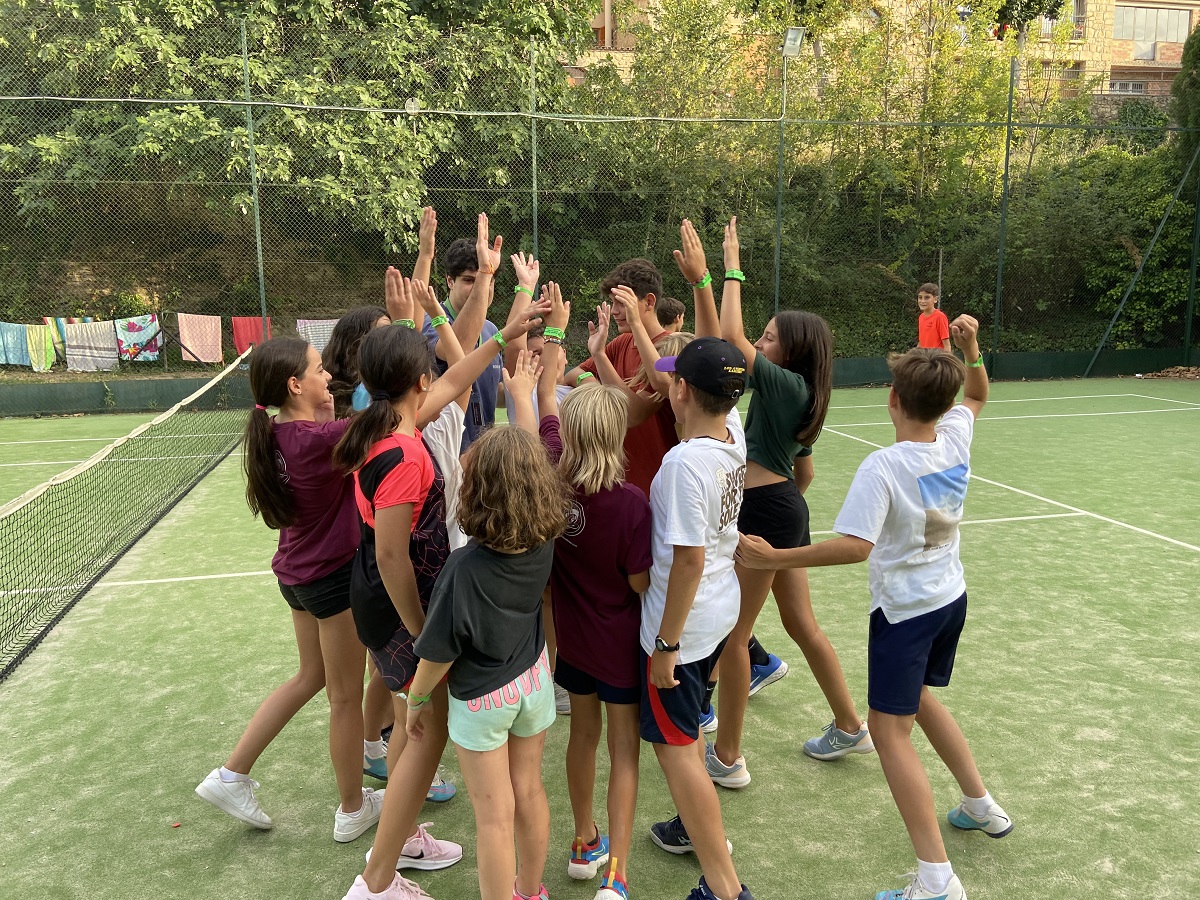
Many camp activities are designed to be completed in groups, including sports, team challenges, projects, scavenger hunts, and cooperative games.
Through these experiences, children discover that listening, collaborating, and supporting one another are the best ways to achieve a shared goal.
Adaptability
Leaving home, meeting new people, following a different routine, and trying unfamiliar activities all help children develop the ability to adapt.
Learning to feel comfortable in a new environment gives them the confidence to face future changes with a positive attitude.
Independence
At camp, children begin taking responsibility for everyday tasks: organising their belongings, managing their time, looking after their rooms, and making small daily decisions.
These simple responsibilities encourage independence and strengthen their self-confidence.
Leadership and initiative
Leadership isn't just about leading a group. It's also about sharing ideas, taking responsibility, and supporting others.
Throughout camp, every participant has opportunities to take initiative, contribute to the group, and discover that everyone has something valuable to offer.
Emotional intelligence
Living with other children for several days means learning to share, express emotions, resolve small conflicts, and understand different perspectives.
Our counsellors guide and support children throughout this process, helping every participant feel heard, manage their emotions, and enjoy a positive camp experience.
Much more than learning English
At English Summer, English is an essential part of the experience, but it's not the only thing children learn.
Our programme combines dynamic English lessons with sports, challenges, workshops, excursions, games, evening activities, and shared experiences. Every part of the programme is designed to help participants use English naturally while developing skills that are difficult to build within a traditional classroom alone.
After all, learning a language also means gaining the confidence to communicate, collaborate with others, embrace mistakes, and discover that speaking English can be enjoyable.
A summer that leaves a lasting impact
When children return home from camp, they often remember the friends they made, the games they played, the excursions they enjoyed, and the unforgettable evenings they shared.
But they also come back with something even more valuable: greater independence, increased self-confidence, stronger social skills, and the satisfaction of overcoming challenges that once seemed impossible.
These are lessons that don't end when summer is over. They stay with children throughout the school year, support their personal growth, and continue to benefit them in their future academic and professional lives.
At English Summer, our goal isn't just to help children learn English. We want them to enjoy experiences that help them grow, discover their full potential, and build the confidence they'll need to embrace the challenges of tomorrow.