



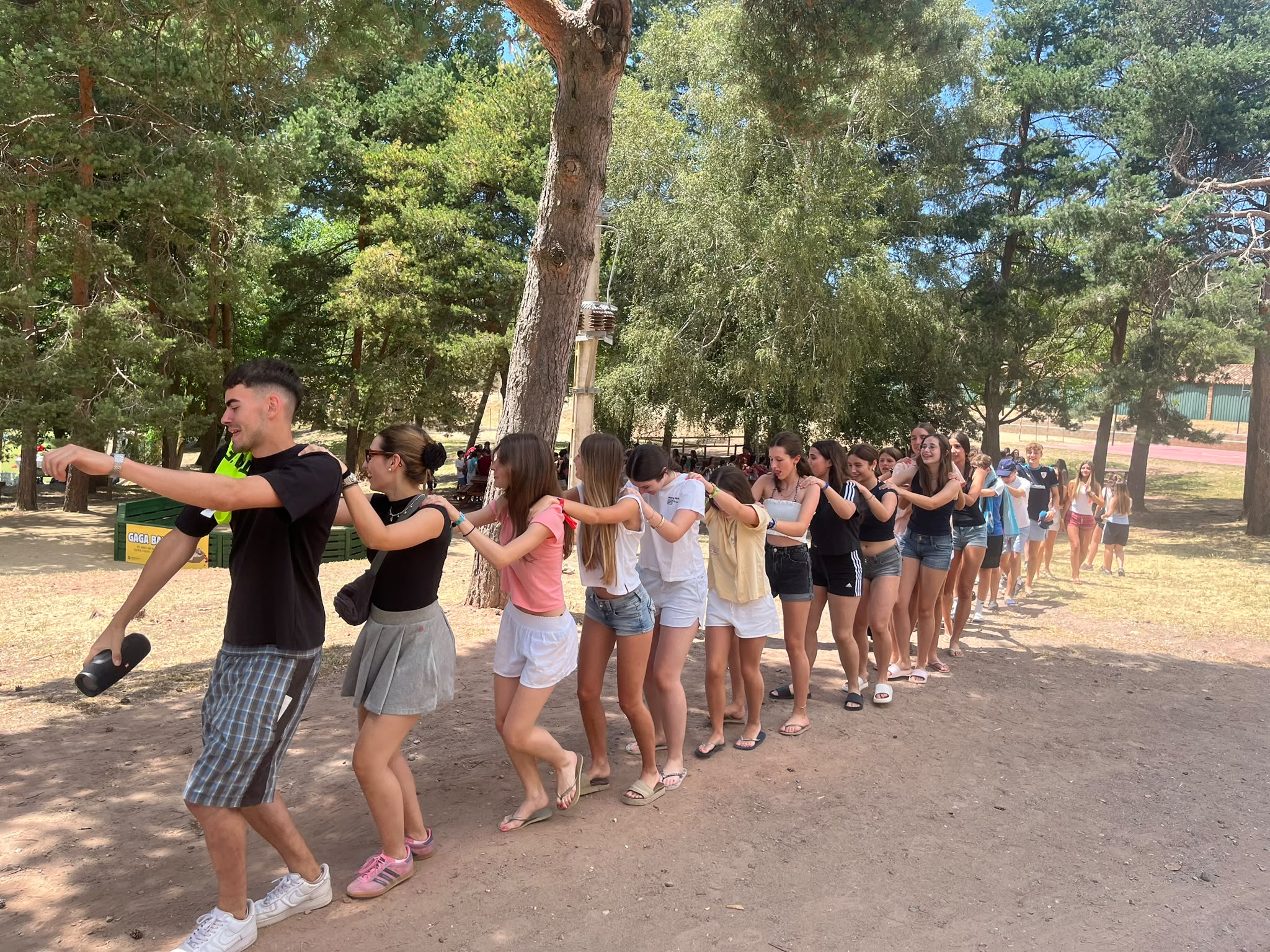
There are moments in summer that stay with you forever: the first friend you make at camp, that activity you never dared to try before, a night full of laughter with new friends, or the feeling of coming home with a suitcase full of memories and countless stories to tell.
For many children, their first summer camp is one of those life-changing experiences that marks a before and after. It is an opportunity to discover new places, learn English in a different way, live alongside other children and, above all, gain confidence and independence while enjoying days full of adventure.
It is perfectly natural for families to have questions before this experience begins. After all, entrusting your child to a summer camp for a few days is an important decision: you want to know what their daily routine will be like, who will be looking after them, whether they will settle in, whether they will be happy, and whether they will come home with a smile on their face.
At English Summer, we support families from the very beginning so that both parents and participants can enjoy this adventure with confidence and excitement. Because camp does not begin when campers arrive at the summer house; it starts much earlier, when they pack their suitcase, imagine everything they are about to experience, and begin to realise they are ready for a brand-new adventure.
In this article, we answer the 10 most common questions families ask before coming to summer camp.
1. Is my child ready to go to summer camp?
This is probably one of the first questions many families ask themselves.
The answer depends more on the child's personality and enthusiasm than on a specific age. Some children enjoy new experiences from an early age, while others need a little more time before they feel confident.
We offer camps designed for different age groups, from children aged 5 to programmes for teenagers up to 17 years old, with activities and routines tailored to each stage of development.
A good sign is that your child is curious about going, excited to meet new people, or looking forward to trying something different. Very often, camp becomes the place where they discover a level of independence they had never experienced before.
2. What if they miss us?
This is one of the most common concerns among families... and one of the most understandable.
The first few moments can be full of emotions: nerves, excitement, anticipation and perhaps a little homesickness. However, the pace of camp helps campers settle in quickly. Meeting new friends, taking part in activities, sharing a room and becoming part of a group all help them gradually feel at home. Their summer home! :)
One thing many families discover after camp is that some children come home saying, "I wish camp had lasted longer." What began as a concern often turns into an experience they cannot wait to repeat.
3. Who looks after the campers during camp?
Peace of mind for families begins with knowing that their children will be cared for at all times.
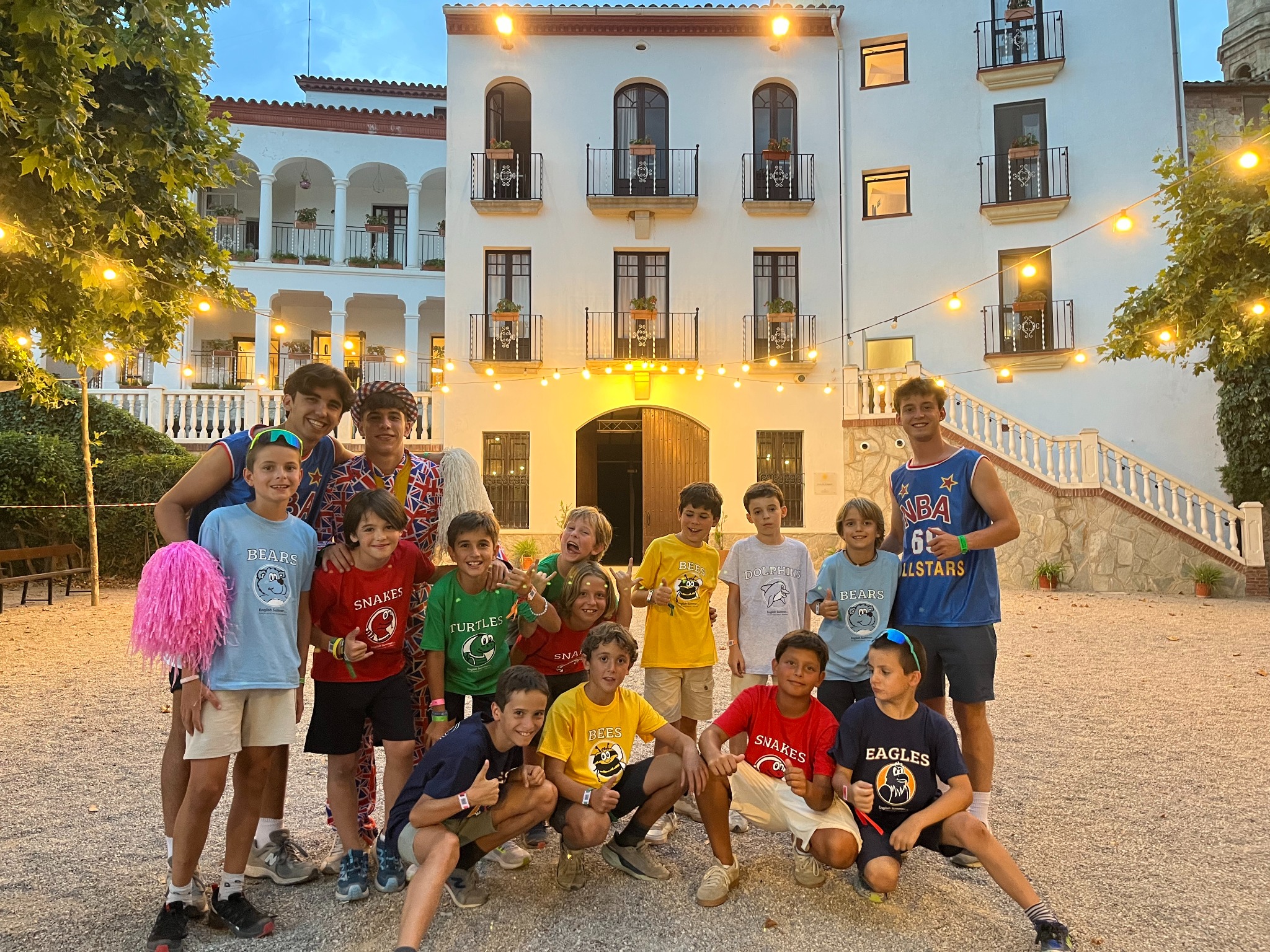
At camp, counsellors, teachers and the management team all play an essential role. They support the campers, organise activities, help with day-to-day life, and create a safe environment where children can learn, grow and have fun.
At English Summer, our educational approach combines language learning with activities and values such as respect, empathy and teamwork.
4. What does a typical day at camp look like?
One of the biggest questions is: "Will they spend the whole day in English classes?"
Attending one of our summer camps means enjoying a complete experience.
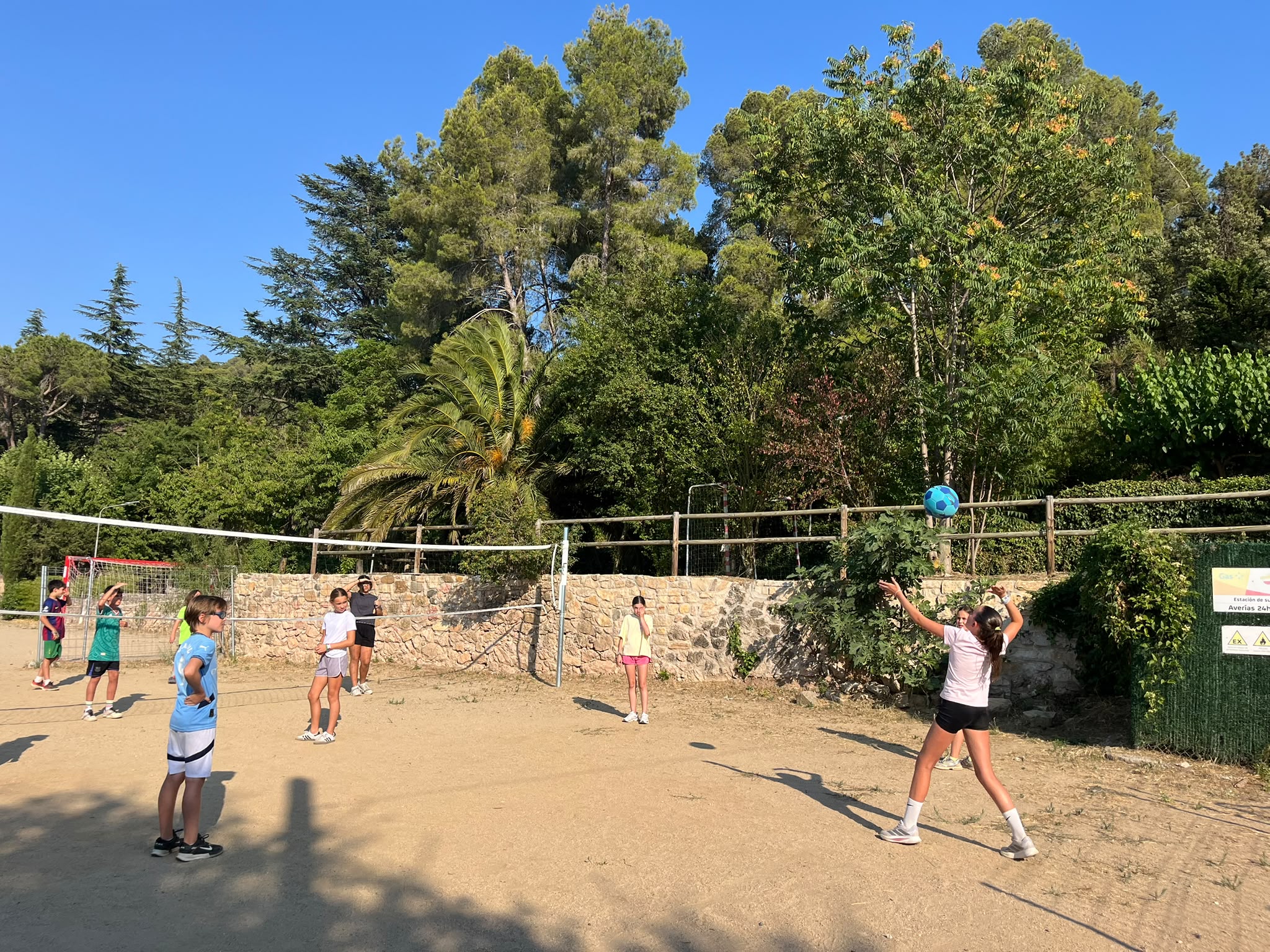
Our programmes combine English lessons with sports, games, arts and crafts, swimming, outdoor activities, group dynamics and themed evening events.
In our English + Multi-Activity camps, students attend English classes and then enjoy a wide range of activities where they continue socialising and practising the language naturally.
After all, children learn much more when they are having fun.
5. Does my child need to have a good level of English before coming?
Many families think their children need a high level of English to make the most of the experience, but that is not necessary. Our programmes are adapted to each student's age and language level.
One of the greatest advantages of learning English in a camp environment is that the language stops being just another school subject and becomes part of everyday life through activities, games and shared experiences with other children.
6. What are the accommodation and facilities like?
We have several camp venues: Vallclara, Poblet, Prades and Tamarit, all located in beautiful surroundings designed for enjoying the summer while taking part in educational and recreational activities.
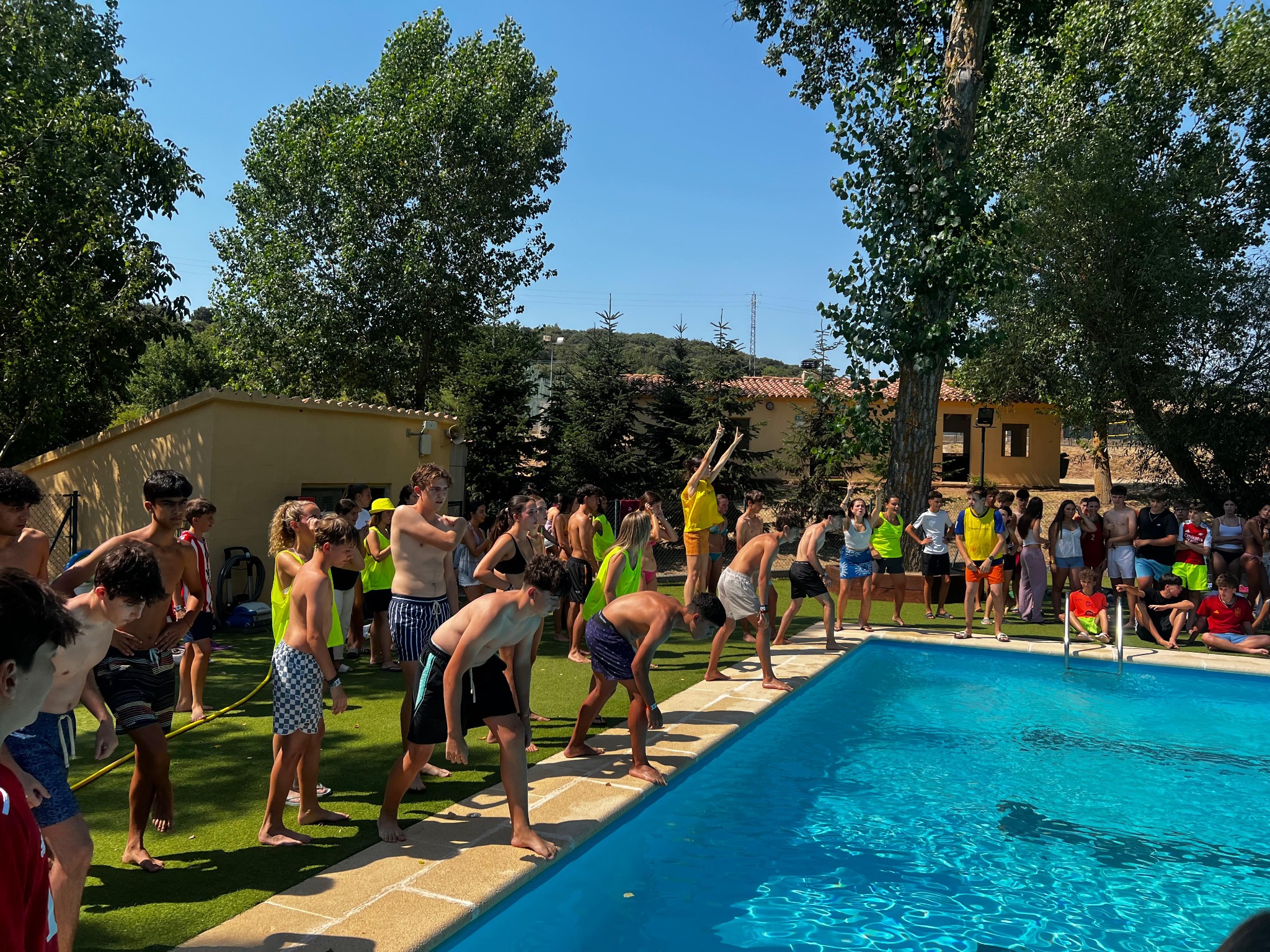
At our English and Multi-Activity camps, campers stay in shared bedrooms for four or six people, equipped with wardrobes. The facilities also include sports areas, a dining hall, meeting rooms, a swimming pool and plenty of spaces for activities.
Sharing these everyday moments is one of the most valuable parts of camp life, helping children learn to live together and become more independent.
7. What if my child has an allergy or special requirement?
Every camper is different, so it is important that the camp team is informed of any relevant information before arrival.
Families have the opportunity to ask questions during a video meeting with their child's counsellor the day before camp begins. They also receive personalised information about the organisation and programme before the stay.
Good communication between families and the camp team is essential to ensure every child enjoys their experience with complete peace of mind.
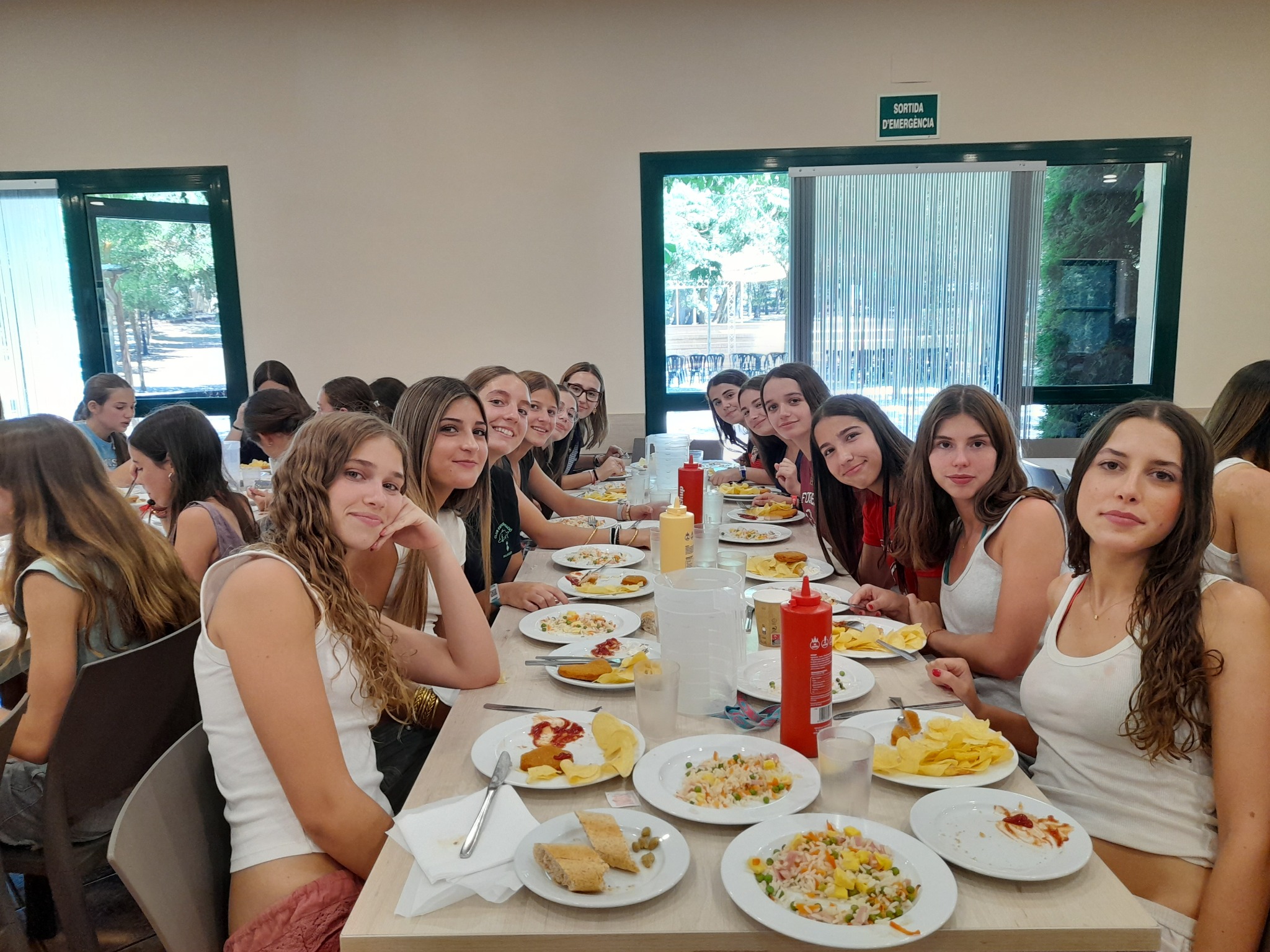
8. What if my child comes alone and doesn't know anyone?
Another very common concern is: "What if everyone else comes with friends and my child doesn't know anyone?"
The reality is that many children arrive at camp without knowing any of the other participants. In fact, this is often one of the most rewarding parts of the experience.
The first day begins with strangers and ends with new friends, shared jokes and memories that last for years.
Group games, activities and everyday camp life make breaking the ice much easier.
9. Will my child really learn English while having fun?
Learning a language is about much more than memorising vocabulary. It also means gaining the confidence to speak, listen, make mistakes and try again.
We combine English lessons with native-speaking teachers and activities where students can practise different language skills in real situations.
We also offer programmes such as English Alive Camp, where learning focuses especially on conversation and spoken English through activities and group dynamics.
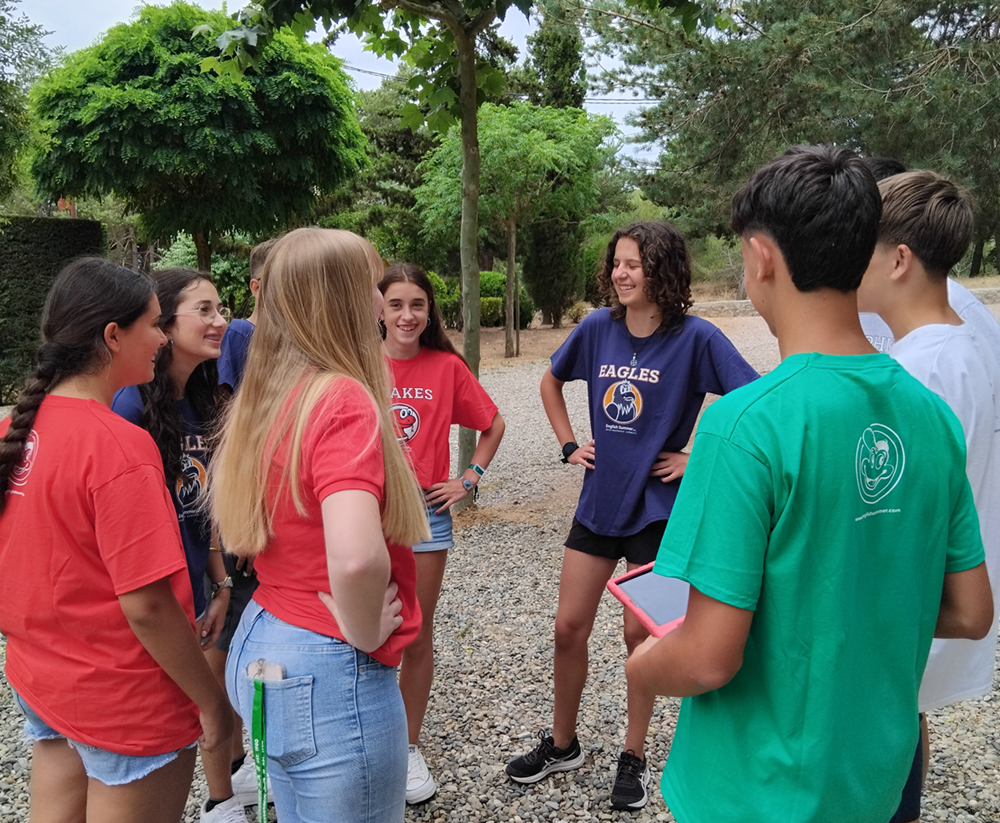
10. What will my child take away from camp?
This is perhaps the most important question of all.
Because when camp comes to an end, what remains is not only better English or a collection of photographs.
What remains are new friendships.
Stories to tell.
Greater self-confidence.
The satisfaction of having lived new experiences.
A summer camp helps children discover that they can adapt to new environments, meet different people and enjoy experiences outside their usual routine.
And very often, when they return home, parents realise their child has become a little more independent, more confident and already looking forward to coming back.
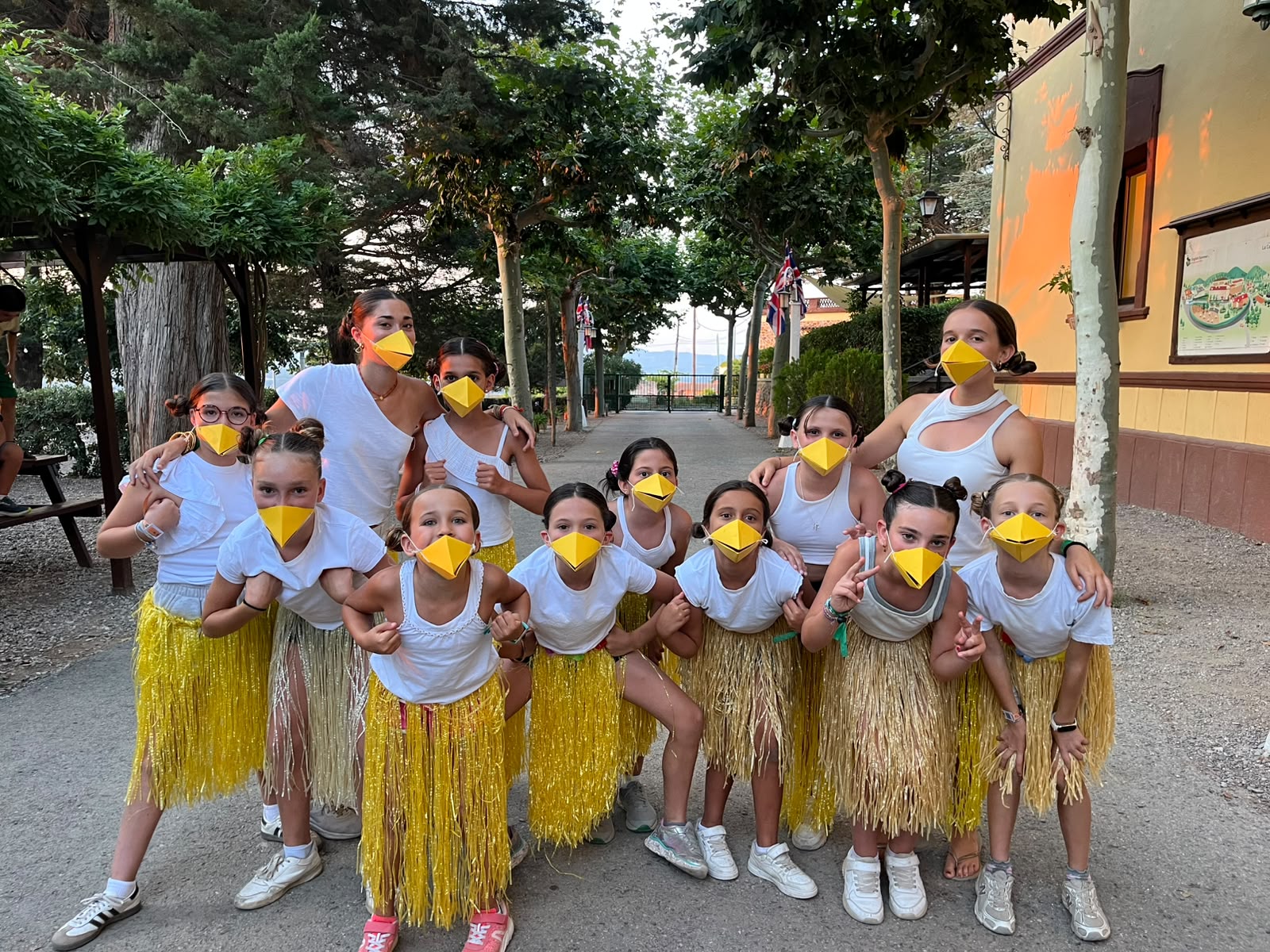
The first summer camp begins long before packing the suitcase
Choosing a summer camp is an important decision for every family. That is why answering your questions beforehand is the first step towards enjoying the experience with excitement and confidence.
Every summer, thousands of children and teenagers enjoy English Summer's language camps, themed camps and activity programmes, all designed to help them learn, have fun and create unforgettable memories.
Because the best summer is not just the one you enjoy the most. It is the one you always want to experience again.