



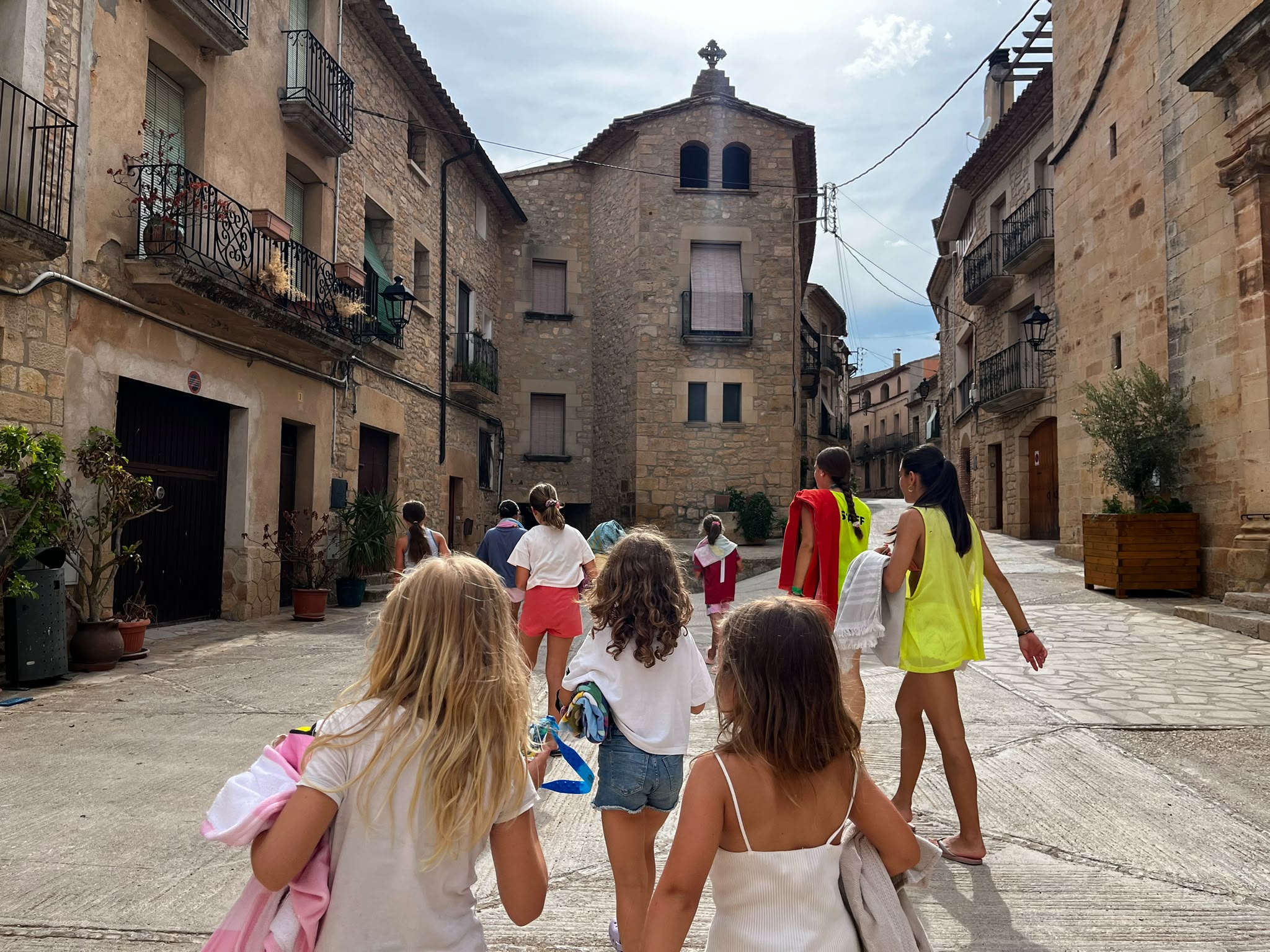
September is not only about going back to school, getting school bags ready and getting back into a routine. It can also be a great time to notice how much our children have grown over the summer and, above all, to give them new opportunities to show it.
We sometimes think of independence as something that comes naturally with age. However, many of the small skills that help children become more independent are built little by little: getting their things ready, making small decisions, asking for help when they need it, resolving a conflict or daring to try something new.
At a summer camp, these situations arise naturally. For several days, children live away from their usual environment, share activities and spaces with other children and take part in a programme adapted to their age. At English Summer, English is also present both in classes and at different moments throughout the experience, while sports activities, games, arts and crafts and team-building activities provide other contexts in which children can develop their independence.
And September can be the perfect time to bring some of these small achievements into everyday life.
1. Getting their own things ready
There is no need to start with major responsibilities. Packing their school bag, choosing their clothes for the following day or checking that they have everything they need for an activity are small tasks that help develop organisational skills.
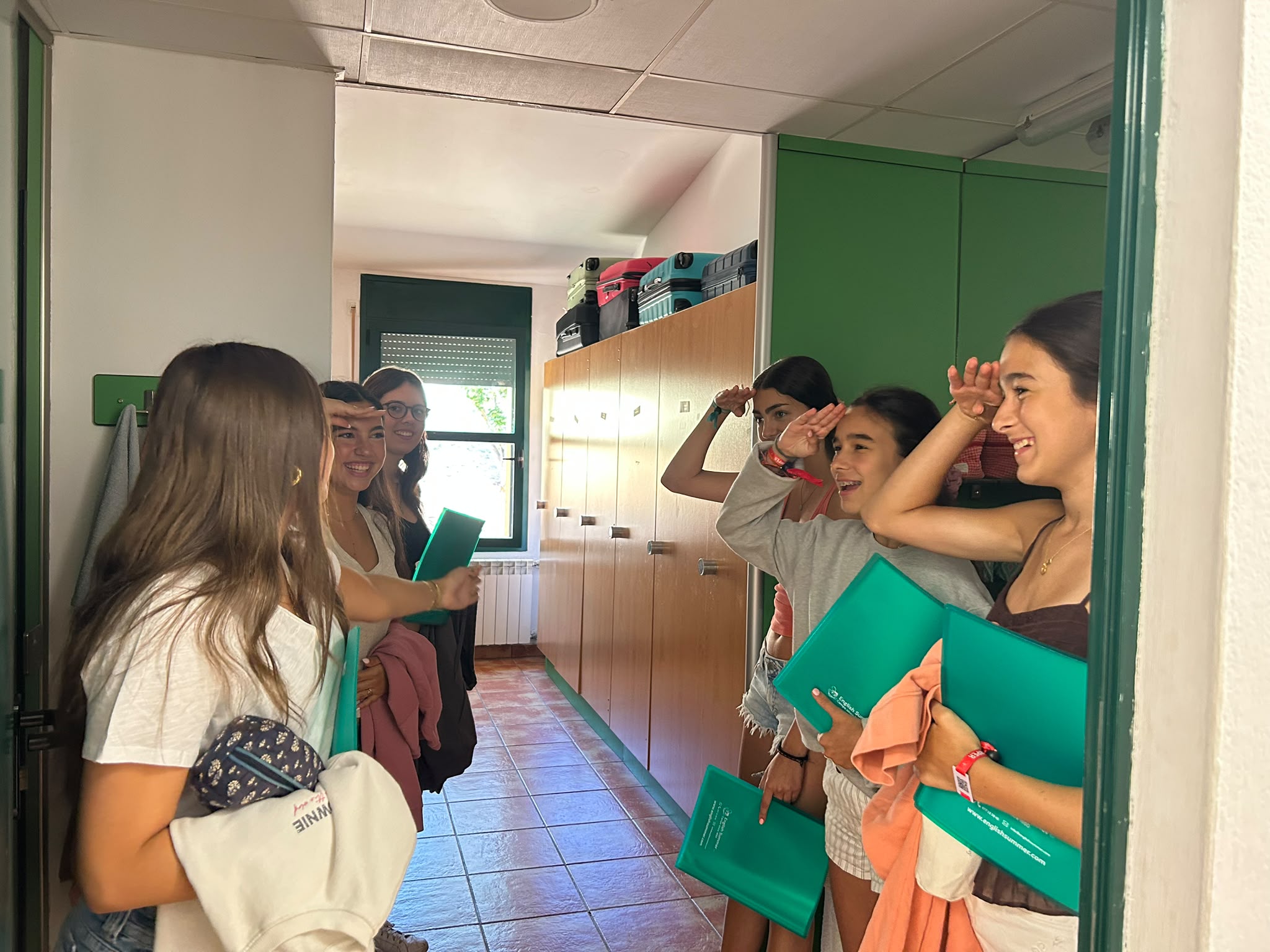
At camp, children have to look after their belongings and adapt to a routine that is different from the one they have at home. At English Summer, participants stay in shared rooms and follow a daily schedule that includes English classes, activities, meals and free time.
At home, we can use September as an opportunity to gradually let them take responsibility for some of these tasks themselves.
2. Making small decisions
Which T-shirt should I wear? What equipment do I need? Which activity would I rather do? How do I want to organise my free time?
Giving children the opportunity to make age-appropriate decisions helps them build confidence and take on small responsibilities for what they do.
Summer camps constantly offer opportunities of this kind: choosing, participating, trying new activities and discovering what they enjoy. At English Summer, there are different camp options and activities adapted to different ages and interests, from sports and outdoor activities to themed camps such as dance, cooking, horse riding and water sports.
3. Asking for help when they need it
Being independent does not mean doing everything alone.
A very important part of growing up is learning to recognise when we need help and knowing how to ask for it. At camp, this may happen when meeting new friends, during an activity, in English classes or simply when facing an unfamiliar situation.
The goal is not for children to never need an adult, but for them to know when and how to turn to one for help.
4. Resolving small conflicts
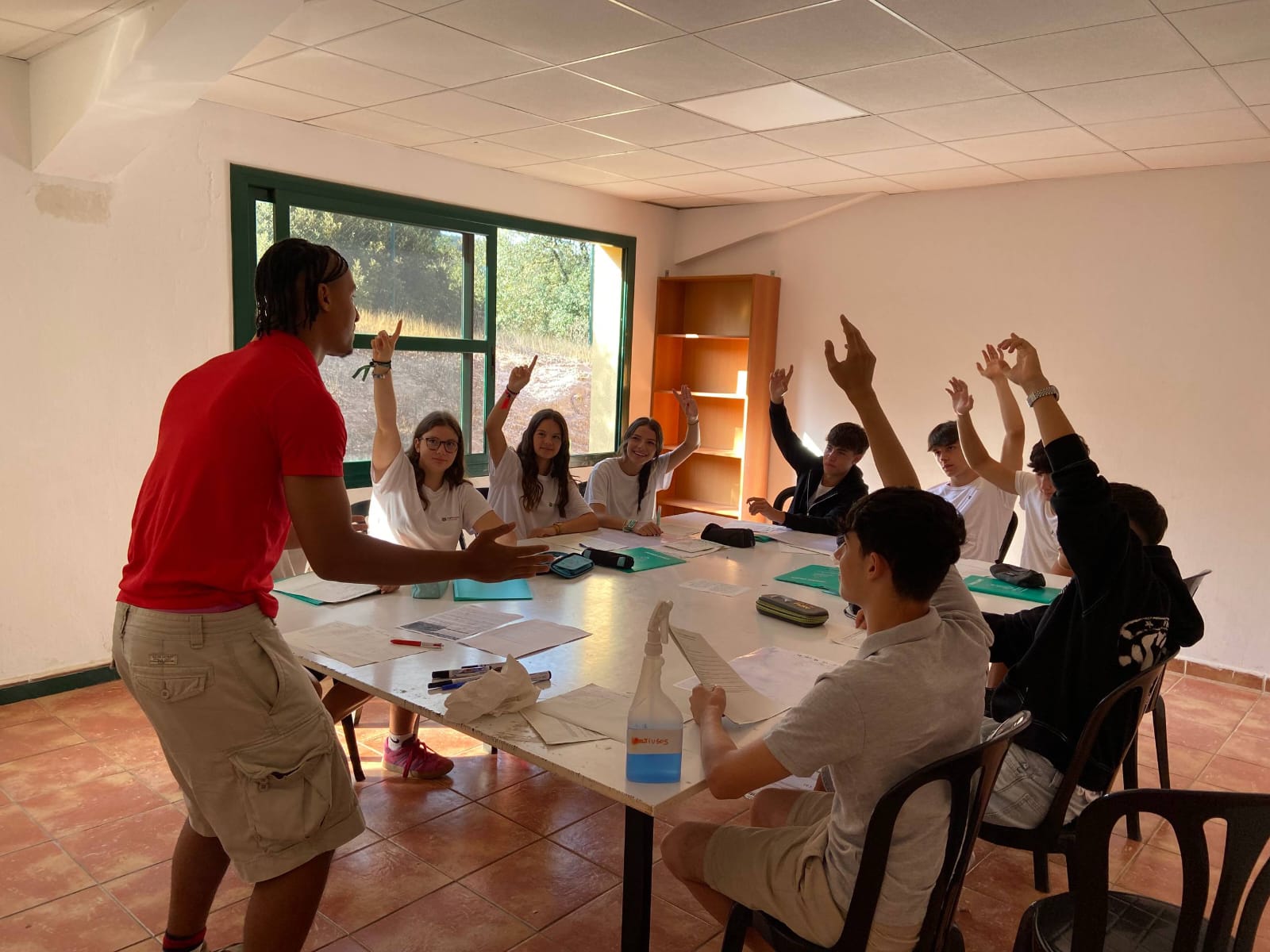
Sharing a room, playing as part of a team or spending several days with different people also means learning how to manage small disagreements.
There may be different opinions, turns to be shared, games in which not everyone wins or moments when everyone needs to reach an agreement.
These everyday situations provide opportunities to practise skills such as listening, negotiating, putting yourself in someone else’s shoes and finding solutions. This is precisely why many summer activities incorporate team-building and group-living dynamics.
5. Daring to try something new
Independence also has a lot to do with confidence.
Daring to join a game when we do not know anyone yet, speaking English even if we make a mistake, trying a new sport or taking part in a different activity are small challenges that can help children discover that they are capable of more than they thought.
And that feeling can stay with them when they return home.
6. Organising themselves within a routine
Structured schedules help children anticipate what they are going to do and gradually take responsibility for managing their time.
At English Summer, the day combines different moments: English classes, activities, meals, free time and leisure activities. The schedule is adapted to each group and age range.
When children return to school, we can maintain some of that independence by letting them take part in organising their own routine: preparing their school bag, organising their school materials or checking what they need for the following day.
7. Talking about what they experienced and putting their feelings into words
Perhaps this is one of the most important parts.
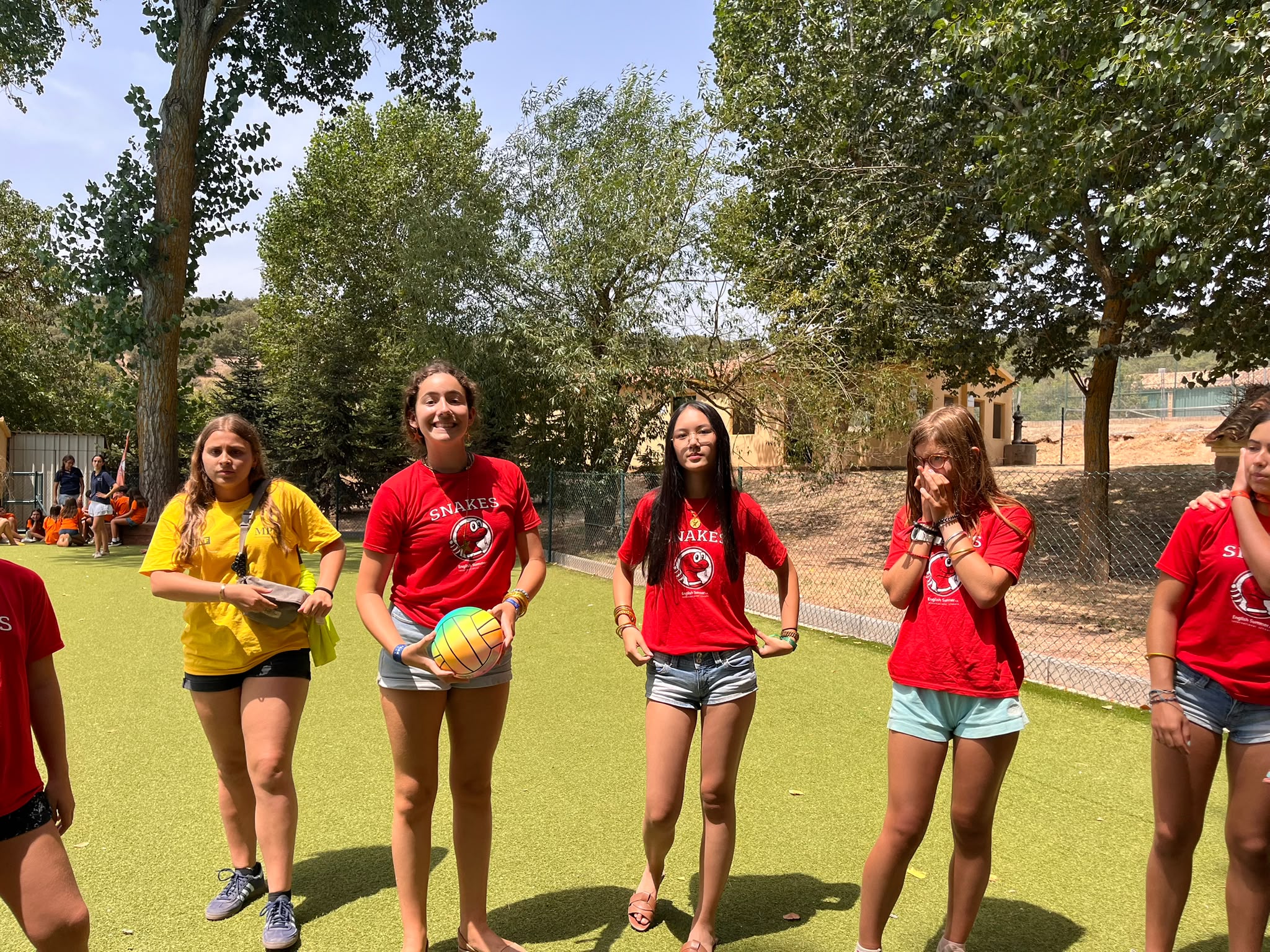
After an intense experience such as a summer camp, talking about what they have experienced allows children to identify what they enjoyed, what they found difficult, what they learned and what they feel proud of.
There is no need to turn it into an interview. Sometimes, simple questions are enough:
What did you find most difficult?
Was there anything you did not want to do at first but ended up enjoying?
What did you learn about yourself?
What would you do differently next time?
Because growing also means being able to recognise our own progress.
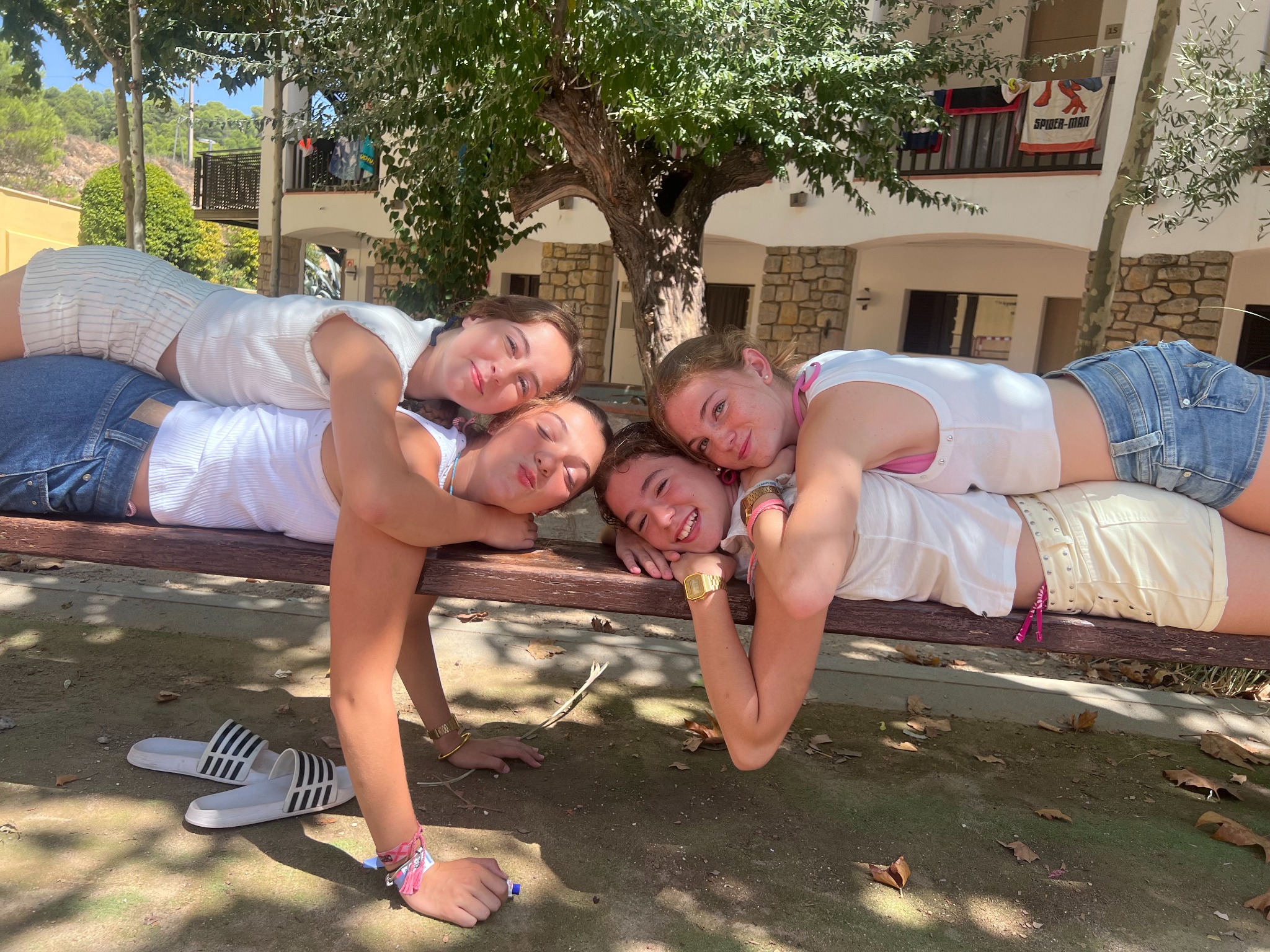
Independence does not mean doing everything alone
Every child has their own pace. Some will be ready to take on certain responsibilities before others, and that is simply part of the process.
That is why September does not have to be a list of things our children “should already know how to do”. It can simply be an opportunity to give them a little more space, trust them and support them as they discover new abilities.
At English Summer, we believe that many of these skills develop precisely when children have the opportunity to step outside their usual environment, live alongside others, face new challenges and enjoy learning. English is a fundamental part of the experience, but so are living together, sport, teamwork, creativity and all those small everyday situations that help children grow.
Because sometimes growing does not mean doing something extraordinary. It means discovering that today you can do on your own something that yesterday you needed someone to do with you.